

A pioneering smart infrastructure initiative has launched on Merseyside, introducing traffic-adaptive street lighting to dynamically manage the massive influx of football fans travelling to the waterfront.
Liverpool City Council has partnered with Signify and McCann Ltd to pilot adaptive street lighting, controlled in real time by an intelligent software solution.
The system uses Signify LumiStreet Gen2 luminaires which are connected to the Signify Interact City central management system, and which in turn is linked via API’s to traffic count sensors.
These sensors monitor the traffic volume allowing the system to automatically adjust lighting levels based on traffic density and thus providing the right light when and where it is needed.
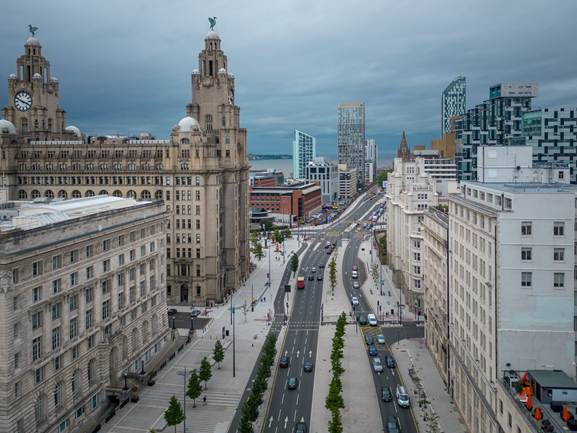
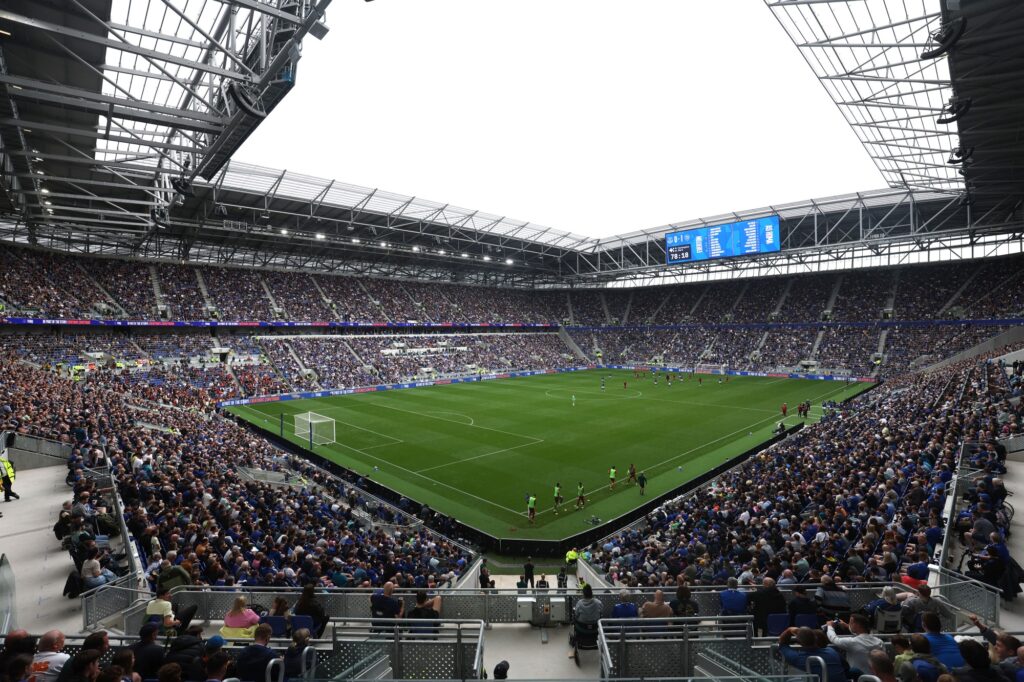
The technological deployment targets Great Howard Street and Derby Road, two primary arterial routes connecting the city centre to the newly opened Hill Dickinson Stadium.
By linking the illumination levels directly to real-time road use, the system will automatically boost brightness during peak crowd movements on match days, dramatically enhancing visibility and safety for thousands of walking fans.
Conversely, during quiet late-night periods, the system dims the lamps, a capability projected to slash municipal energy consumption by up to 30% over the next decade.
Waterfront Infrastructure Upgraded Ahead of Major Premier League Crowds
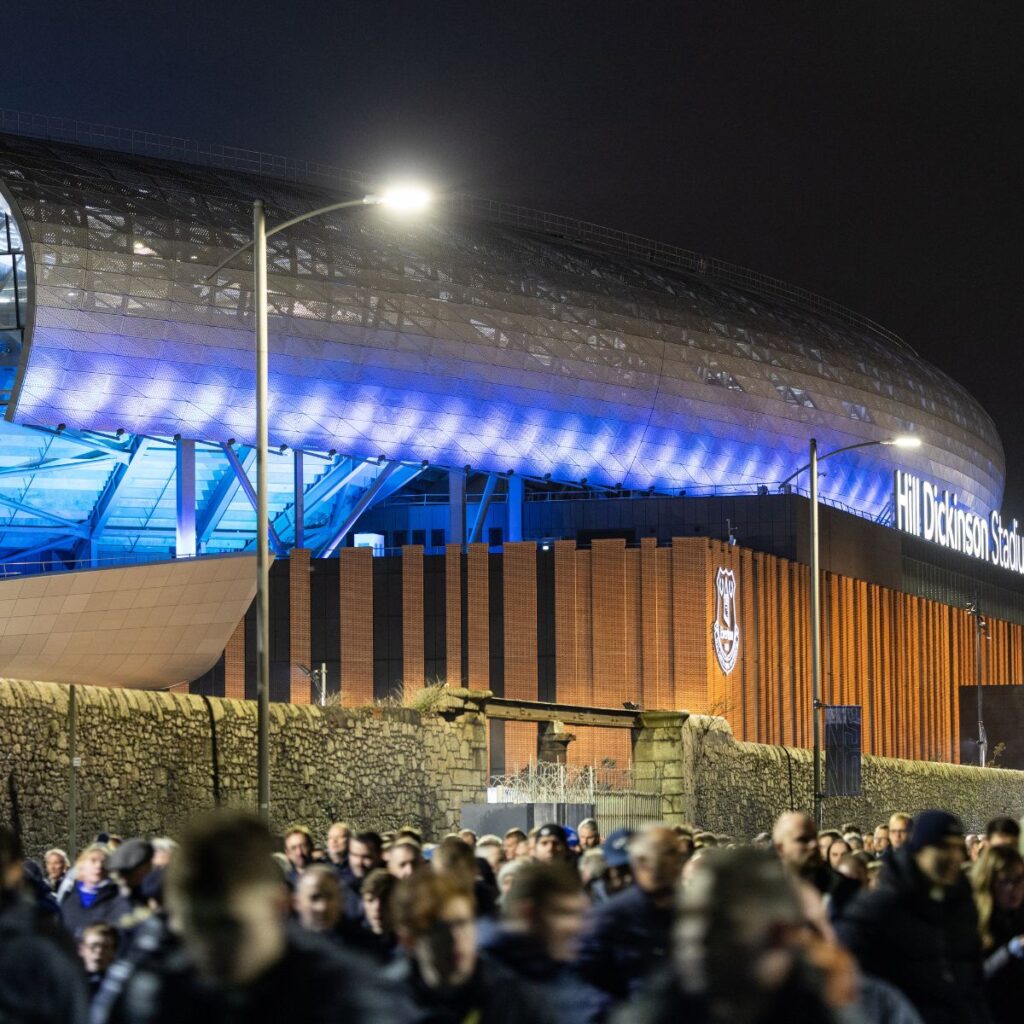
The implementation represents a direct response to logistical pressures surrounding the club’s new home.
On high-demand days, such as matchdays at Everton’s nearby stadium, Liverpool City Council can respond more effectively to increased requirements for lighting, operational efficiency and public safety.
Lighting levels can be increased to maintain optimal visibility and support safer public spaces.
The underpinning Interact City platform also removes the council’s historical reliance on the public to manually report broken bulbs.
The central management network continuously monitors performance and automatically detects faults to minimise downtime and maintenance costs.
This proactive approach enhances public safety and streamlines management of lighting assets across the waterfront area.
Funding for the installation was supported by LiveLabs, a three-year, UK-wide £30 million programme funded by the Department for Transport that aims to decarbonise the local highway network and UpCiti.
Civic Leaders Validate Safety Upgrades Along Key Football Transit Corridors
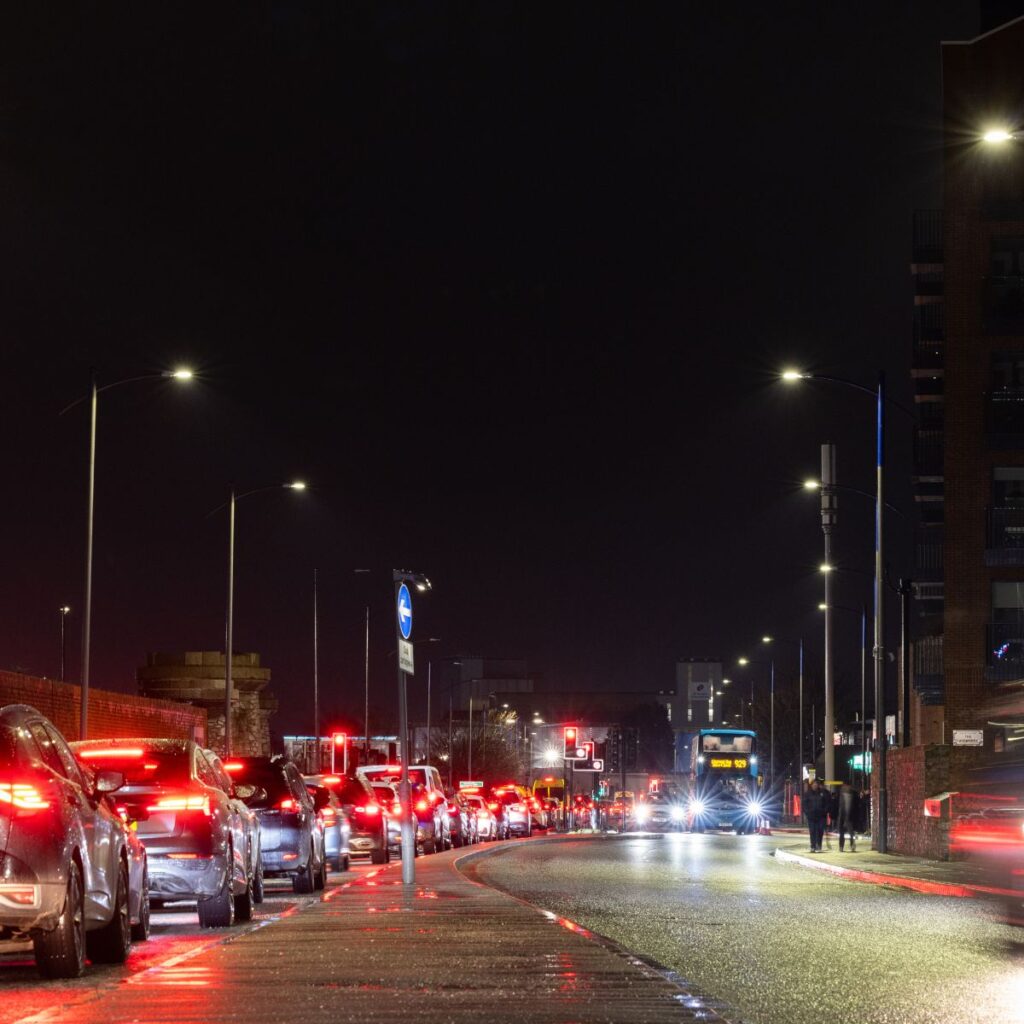
The integration of smart data sensors into the highway network marks a shift toward predictive urban management.
Ali Zahran, Principal Street Lighting Engineer at Liverpool City Council, said:
“We’re proud to be among the first UK local authorities to deploy traffic-adaptive lighting at scale.
“This investment is helping us reduce energy consumption, improve operational efficiency, and build a more sustainable, future-ready city.
“The upgrade responds to the evolving needs of residents while supporting the ambitions of a growing city, delivering smarter infrastructure that enhances safety, efficiency, and the overall urban environment for everyone.”
The immediate focus remains heavily on fan welfare and creating secure night-time transit routes back to regional transport hubs.
Councillor Dan Barrington, Cabinet Member for Transport and Connectivity said:
“Since the Hill Dickinson Stadium opened, we’ve listened closely to fans who want a safe, well-lit route back towards the city centre and key transport links.
“The new adaptive lighting along the busiest roads around the stadium means pavements are brightly lit when people need it most, helping everyone feel safer as they move through the area.
“Because the system responds in real time, we can also spot and fix faults quickly, keeping the route reliably lit on matchdays and beyond.
“And by adjusting the lighting to actual traffic levels, we’re cutting unnecessary energy use and delivering real savings for the city.”
The rollout is being highlighted by corporate partners as a replicable model for other major UK sports venues facing complex crowd dispersal challenges.
Simon Wilkinson, Commercial Leader Public UK, Signify, added:
“Every growing city must ensure that infrastructure is fit for purpose and meets the needs of its residents.
“Public lighting plays a critical role in creating spaces where people feel safe, while also helping cities manage energy consumption and reduce emissions.
“Our collaboration with Liverpool City Council delivers immediate benefits through energy savings and improved visibility, while also serving as a blueprint for a safer, smarter, and more sustainable cities across the UK.”
READ MORE: The Lemonheads Confirm O2 Academy Liverpool Show on Major Expanded Autumn Concert Tour