


One of Europe’s most threatened plants has been given a massive lifeline thanks to a major conservation partnership led by experts from Chester Zoo.
Once more widespread along the coasts of the UK and mainland Europe, the species was pushed to the brink by man-made habitat change.
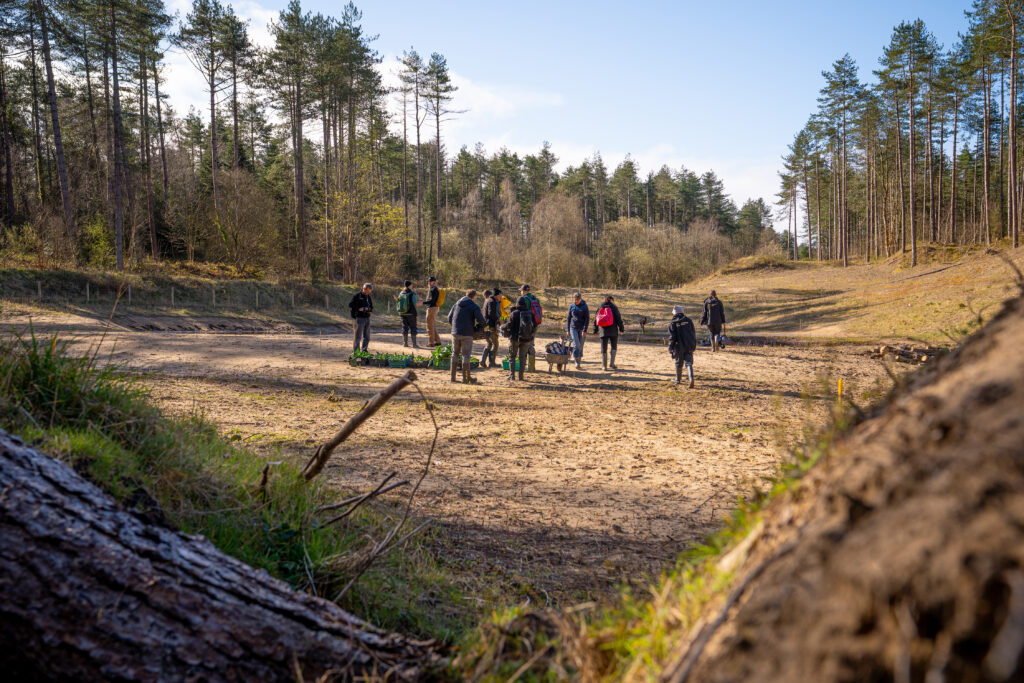
Now, populations in the Welsh stronghold of Anglesey have been boosted by habitat restoration carried out by local conservationists and by the reintroduction of 500 plants carefully grown at Chester Zoo.
Fewer than 5,000 shore dock plants remain in the wild worldwide, meaning the recent work at Newborough, Anglesey, is a critical milestone.
The 500 young plants returned to the site last week represent roughly 10% of the entire known living population of shore dock.
This first in a series of planned re-planting cycles was carried out by a dedicated team from Chester Zoo, RSPB Cymru, Plantlife, Natural Resources Wales, and horticulturists from Bangor University.
A Masterclass in Botanical Conservation at Chester Zoo
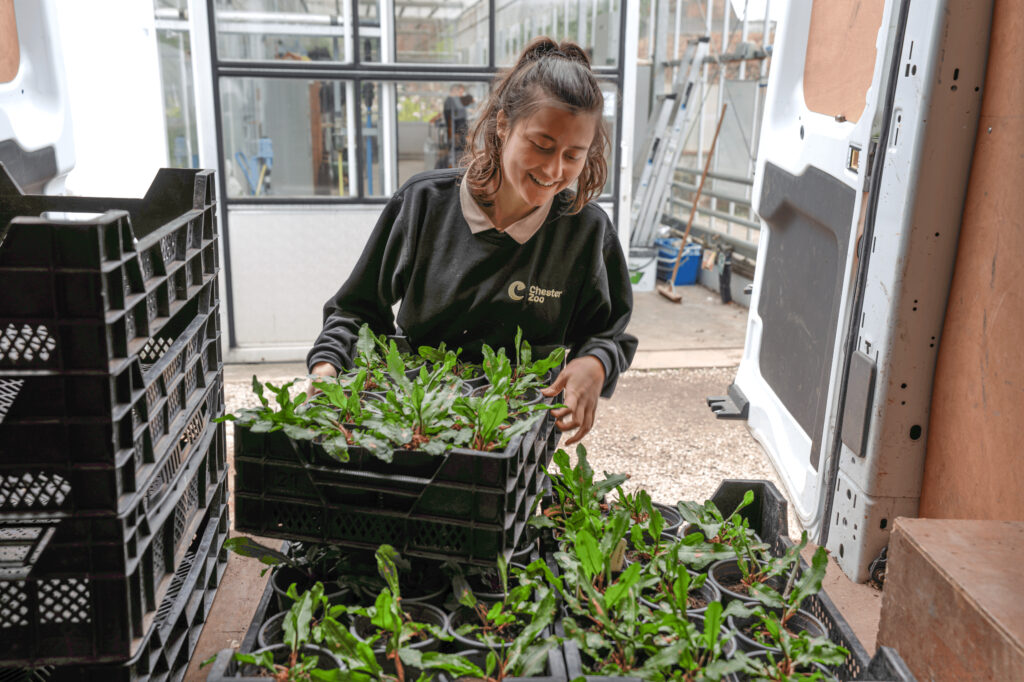
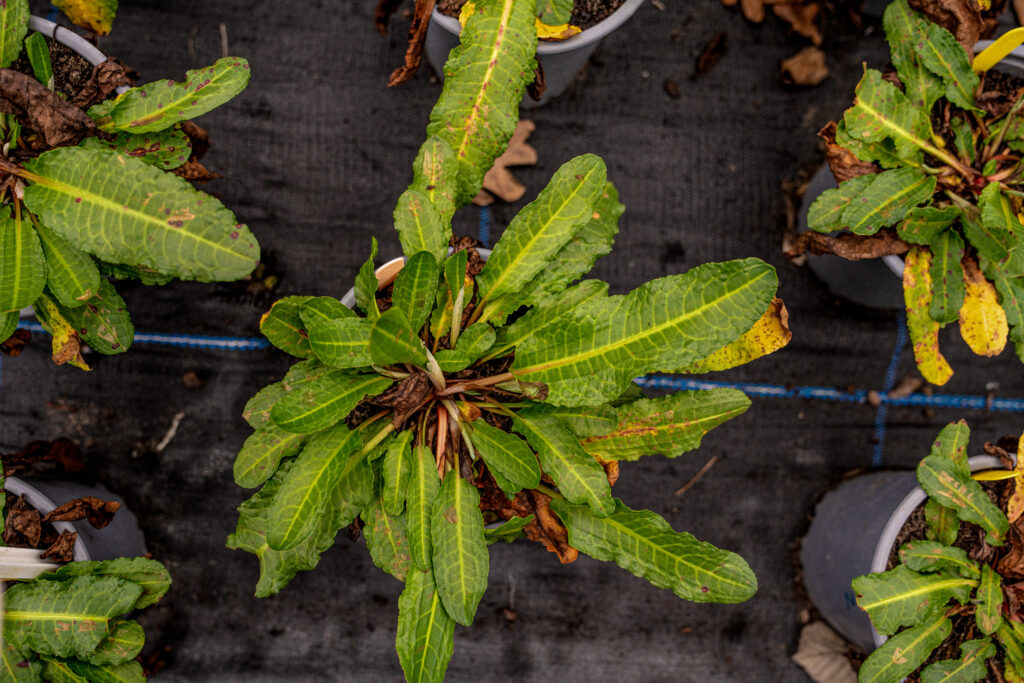
The reintroduction is the result of a precise horticultural effort at Chester Zoo, where the plants were nurtured from seeds native to Newborough.
Phil Esseen, Head of Plants at Chester Zoo. Said:
“It has been a privilege to grow these unique plants from seed, ensure they thrive under carefully controlled conditions and help return them to their rightful place.
“Conservation isn’t just about animals. Protecting plants like shore dock is essential to restoring whole ecosystems.
“We’re proud to support a project like Natur am Byth!, without which these plants would not be able to establish in the wild.”
The project forms part of Natur am Byth!, a Wales-wide programme uniting conservation organisations to protect the country’s most threatened species.
By combining Chester Zoo’s botanical expertise with local land management, the project is taking a major step toward creating a sustainable population in one of the species’ most important strongholds.
Restoring a Specialised Coastal Environment
Shore dock is a highly specialised plant that relies on a delicate balance of freshwater and open, sandy habitats.
Over time, these marginal environments have been lost or degraded due to human intervention.
To prepare for the return of the zoo-grown plants, land management teams at Natural Resources Wales have carried out extensive work at Newborough, including scrub clearance and grazing to maintain the open landscape the dock requires.
This restoration benefits more than just the plants; the improved health of the dunes supports a wider network of wildlife, from amphibians to rare insects.
Graham Williams, Senior Officer at Natural Resources Wales, noted that planting out these native docks is a key intervention to enhance the fortunes of the UK’s rarest dock species in its challenging and marginal home.
Securing a Future for a Global Rarity
Wales holds a significant proportion of the world’s remaining shore dock population, placing a global responsibility on local conservationists.
While the return of these 500 plants offers a renewed sense of hope, ongoing management will be essential to ensure the population can establish and thrive in the long term.
Robbie Blackhall-Miles, Vascular Plants Officer for Plantlife, emphasised that maintaining the population at Newborough is crucial for the species’ continued survival.
The success of this latest phase demonstrates the power of partnership and the vital role that botanical expertise at institutions like Chester Zoo plays in tackling the global biodiversity crisis.
For now, the return of the shore dock to its coastal home serves as a powerful symbol of recovery for one of the world’s most threatened plants.