

Animal care teams at Knowsley Safari are celebrating a double celebration following the birth of two healthy Bactrian camel calves, marking a significant breeding milestone for the Merseyside wildlife attraction.
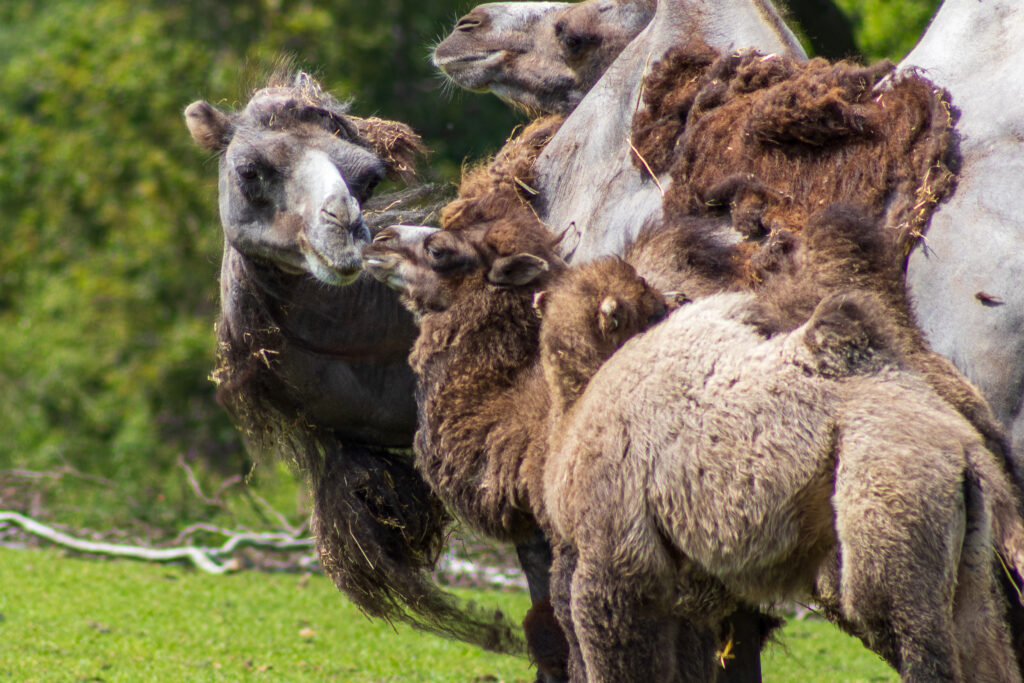
The newborn arrivals have successfully created what keepers are calling a new camel crèche along the venue’s popular five-mile Safari Drive, delighting families and wildlife enthusiasts visiting the park.
First-time mothers Patricia and Willow gave birth within days of each other, welcoming their respective male calves, who have since been named George and Gilbert by the dedicated animal care team.
Bactrian camels are globally renowned for their distinctive dual humps, which function as critical survival mechanisms by storing dense fat reserves rather than liquid water, allowing the animals to convert the tissue into vital energy during periods of scarce resource.
The young calves have already begun actively investigating the open terrain of their secure paddock, remaining under the watchful eye of their protective mothers while integrating seamlessly with the wider resident herd.
Spectators navigating the drive-through safari paths are likely to observe the adult females actively vocalising with their offspring, a natural auditory behavioural trait that is essential for reinforcement bonding during the initial weeks of life.
Breaking a Nine-Year Breeding Record at the Merseyside Attraction
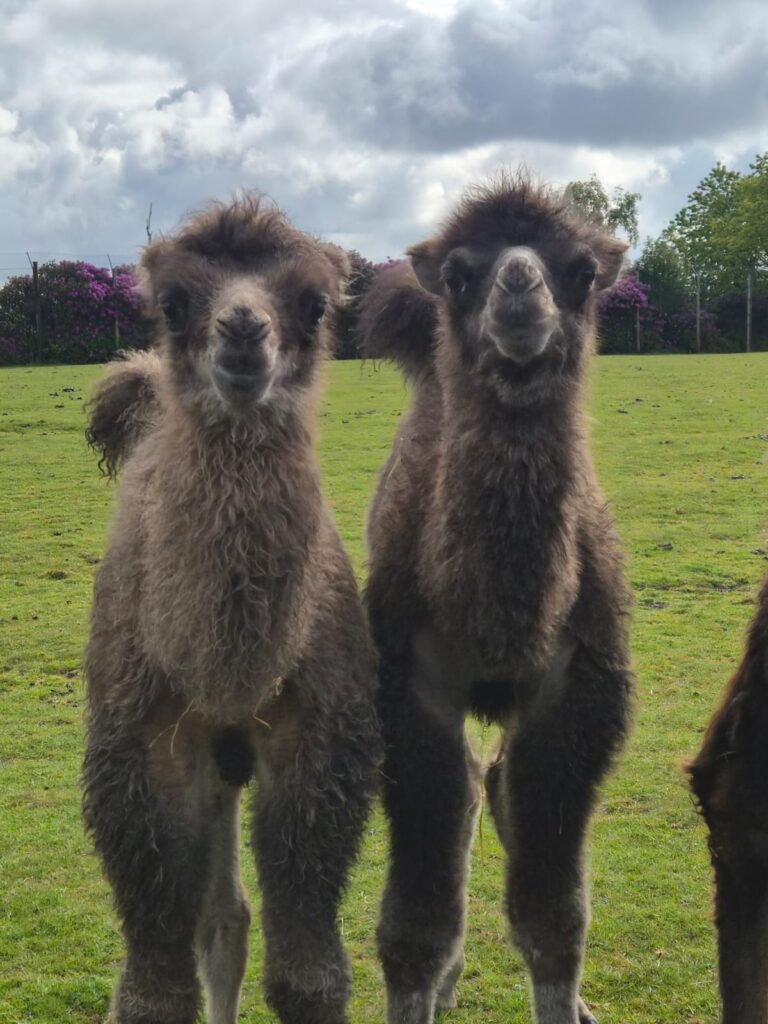
The simultaneous births mark the first time the tourist destination has successfully bred this specific mammal group in nearly a decade, boosting regional zoological collection efforts.
Lindsay Banks, ungulates team manager at Knowsley Safari, said:
“We haven’t had a camel calf at Knowsley Safari for over nine years, so to have two born so close together has been extra special.
“It’s been so enjoyable to see the two healthy camel calves out enjoying the Safari, interacting with other members of the herd, as well as spending time together.”
Backing International Field Conservation Efforts for Endangered Wild Species
Beyond their on-site managed breeding programmes, the park operators continue to fund extensive global wildlife preservation schemes targeted at safeguarding vulnerable wild populations in Asia.
The Merseyside institution actively financially backs the vital fieldwork of The Wild Camel Protection Foundation, an international environmental organisation dedicated to protecting the separate, critically endangered wild camel species.
Current scientific data indicate that fewer than 1,000 individual wild camels now survive across fragmented desert habitats spanning remote regions of China and Mongolia, making active intervention essential to avert extinction.
Full historical updates regarding the ongoing development of the newborn calves and further details regarding the park’s wider international conservation footprint can be found here.
READ MORE: Cunard’s Queen Anne Returning to Liverpool this June