

Slavery Remembrance Day 2026 will be marked in Liverpool with a week-long programme of events bringing communities, artists, researchers and cultural organisations together across the city.
Taking place from Monday 17 to Sunday 23 August, the programme will include performances, workshops, public talks and opportunities to learn more about the history and continuing legacies of the transatlantic slave trade.
The week will culminate in the annual Walk of Remembrance, which invites people from across Liverpool and beyond to come together for an important act of remembrance, reflection and solidarity.
Slavery Remembrance Day is observed annually on 23 August, marking the beginning of the 1791 uprising by enslaved people in Saint-Domingue, now Haiti. The uprising became a defining moment in the fight against the transatlantic slave trade, with the date later designated as an international remembrance day by UNESCO.
Slavery Remembrance Summer Dance School
Monday 17 to Friday 21 August
10am–3pm
The Black-E
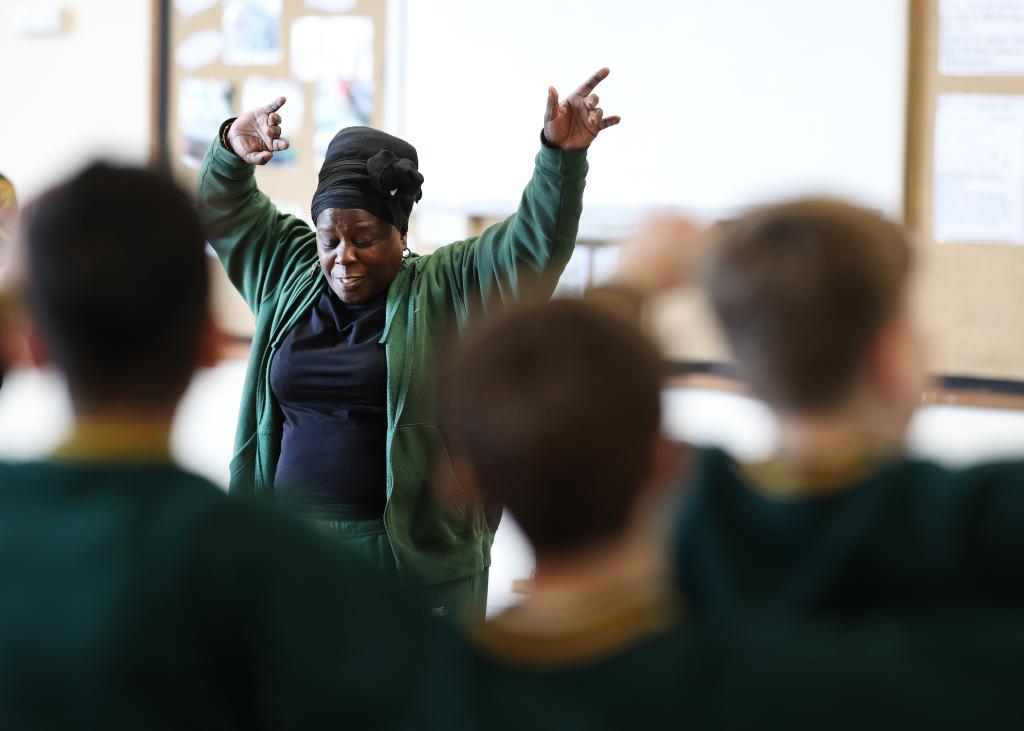
New for 2026 is the Slavery Remembrance Summer School, produced in partnership with The Black-E.
The week-long project is open to young people aged between 12 and 19 and will use movement and performance to explore themes including identity, legacy and rites of passage.
Participants will be encouraged to create original work based on their experiences and perspectives, before presenting a final performance during the Walk of Remembrance on Sunday 23 August.
Dorothy Kuya Slavery Remembrance Memorial Lecture
Friday 21 August
5.30pm–7.30pm
Liverpool Town Hall
One of the main events in this year’s programme will be the Dorothy Kuya Slavery Remembrance Memorial Lecture at Liverpool Town Hall.
The annual lecture is named in honour of Liverpool activist, educator and anti-racism campaigner Dorothy Kuya, who played an influential role in the development of Slavery Remembrance Day and the International Slavery Museum.
This year’s lecture, titled Slavery and Denial: Today and Onwards, will be delivered by acclaimed scholar and cultural historian Anita Gonzalez.
The event will explore how the legacies of slavery continue to affect African diaspora communities, alongside the ways in which art, religion, mutual support and community-led practices have helped people resist inequality and sustain cultural identity.
What does successful community-led research look like?
Saturday 22 August
From 11am
Museum of Liverpool
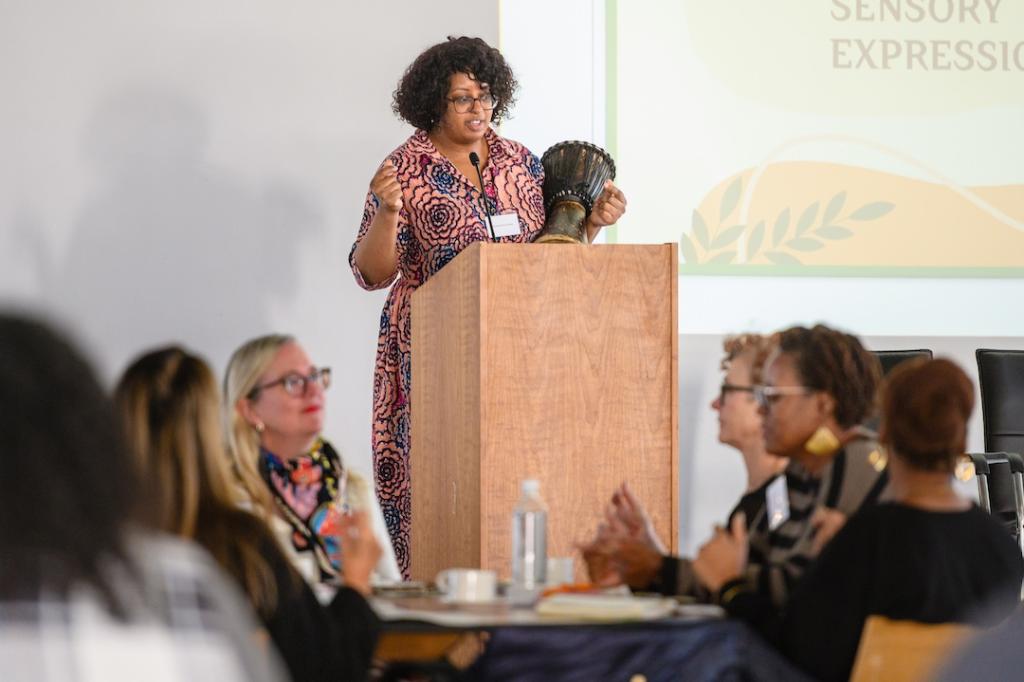
The Centre for the Study of International Slavery will mark its 20th anniversary with a special Call and Response workshop at the Museum of Liverpool.
Established in 2006 as a partnership between the University of Liverpool and the International Slavery Museum, the centre supports research into slavery, its history, its legacies and its impact on contemporary society.
The workshop will reflect on the centre’s achievements over the past two decades, consider what work still needs to be done and invite participants to help shape the future of community-led research at both the centre and the International Slavery Museum. Advance booking is available through National Museums Liverpool.
Walk of Remembrance
Sunday 23 August
12 noon
Beginning at Williamson Square
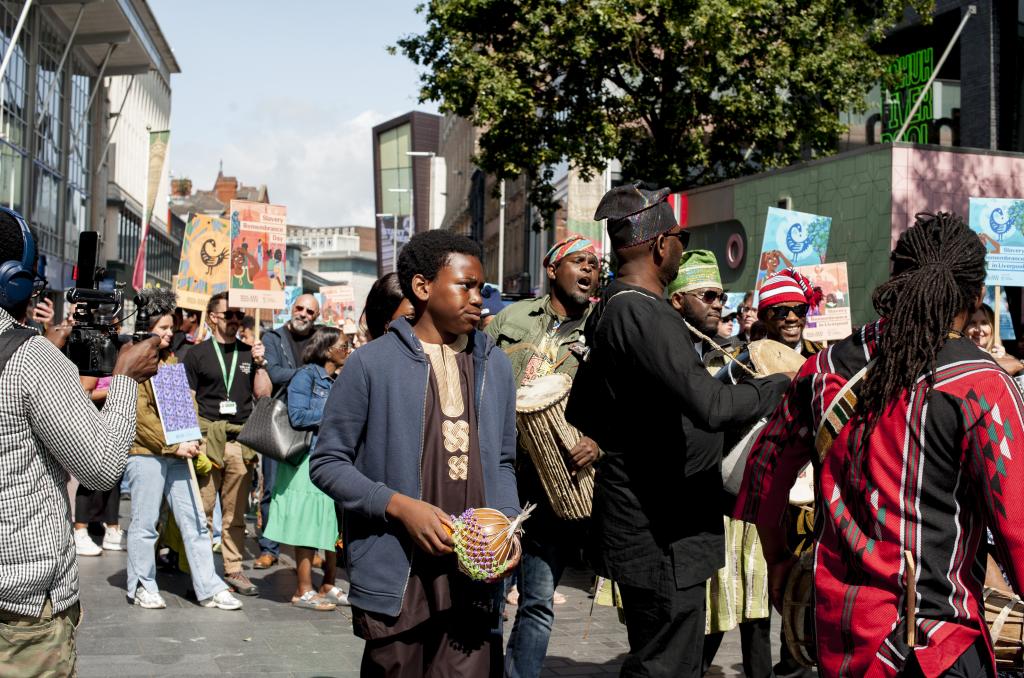
Liverpool’s annual Walk of Remembrance will begin in Williamson Square before travelling through the city centre.
The route will pause at landmarks with connections to Liverpool’s history for moments of reflection, performance and historical insight.
The walk will then continue towards the waterfront, where the commemorations will conclude with a masquerade and traditional libation ceremony honouring the ancestors and those whose lives were affected by enslavement.
The Walk of Remembrance is open to everyone, with people encouraged to join this collective moment of remembrance, education and solidarity.
Connector Project pilot launch

Sunday 23 August
3pm–5pm
Museum of Liverpool
The final event in the programme will see the launch of Overwriting – Underwriting, the first research pilot from the International Slavery Museum’s £1 million Connector Project.
The community-led project will investigate the merchants, financial organisations and insurance networks that helped to fund and sustain transatlantic slaving voyages.
Young local researchers, known as the “Overwriters”, will examine original archives and investigate the North West-based underwriters whose financial support helped make the trafficking of enslaved African people less risky and more profitable for investors.
Professor Verene Shepherd, an internationally recognised historian and advocate for reparative justice, will deliver the keynote address at the launch. The project is being delivered with partners including the Centre for the Study of International Slavery and the University of Cambridge’s Legacies of Enslavement Initiative.
Remembering, reflecting and looking ahead
This year’s programme takes place while the International Slavery Museum remains closed as part of National Museums Liverpool’s major Waterfront Transformation Project.
Although the museum’s physical doors are currently closed, the programme will allow its stories, research and community work to continue across Liverpool, ahead of the museum’s planned reopening in 2029.
Full event information, accessibility details and advance booking options can be found through the official National Museums Liverpool Slavery Remembrance Day programme page here.
READ MORE: River of Light to return with expanded Liverpool city centre trail