
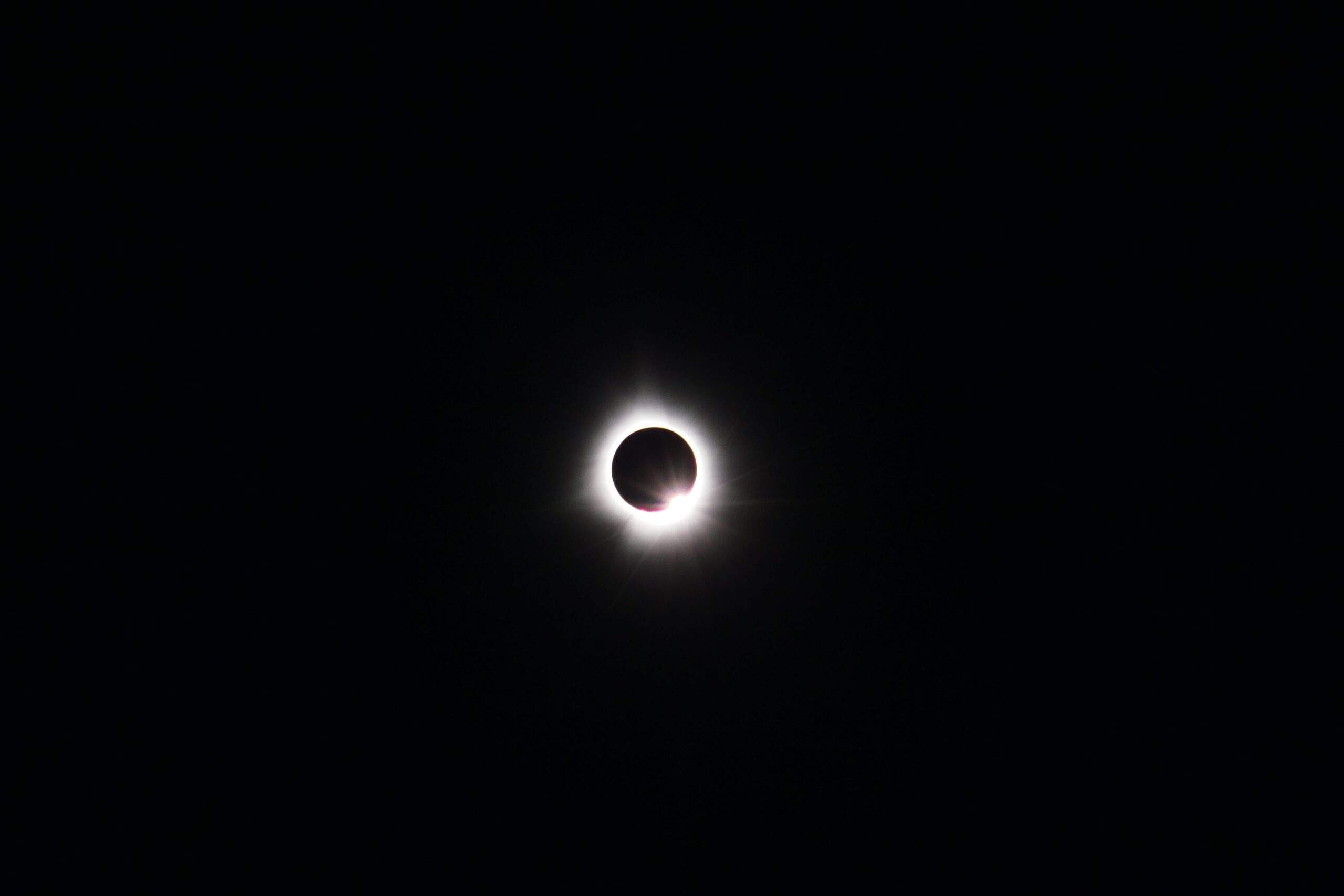
Skywatchers across the Liverpool City Region will be treated to one of the most impressive solar eclipses visible from the UK in decades this August.
A deep partial solar eclipse will take place on Wednesday 12 August 2026, when the Moon passes between the Earth and the Sun.
At its maximum, approximately 91.8% of the Sun will be obscured when viewed from Liverpool, leaving only a narrow crescent visible in the evening sky. It will be the greatest eclipse coverage seen from the UK and Ireland since the total solar eclipse of 1999.
What time is the solar eclipse in Liverpool?
The eclipse will last for almost two hours in Liverpool, with the following approximate local timings:
- Eclipse begins: 6.13pm
- Maximum eclipse: 7.10pm
- Eclipse ends: 8.04pm
The complete event is expected to last around one hour and 51 minutes.
Exact timings may vary by a few seconds depending on where people are watching from across the Liverpool City Region.
Will Liverpool go completely dark?
Despite more than 90% of the Sun being covered, Liverpool is not within the eclipse’s path of totality.
This means the Sun will not disappear completely and the city will not suddenly be plunged into darkness. However, people may notice a significant change in the natural light, with conditions beginning to resemble dusk or an unusually overcast evening.
The temperature could also drop slightly as the eclipse reaches its maximum.
The total eclipse will instead be visible from locations including parts of Greenland, Iceland and Spain, while Liverpool and the rest of the UK will experience a partial eclipse.
Where to watch the eclipse around Liverpool
The eclipse will take place during the early evening, with the Sun sitting relatively low in the western sky.
Anyone planning to watch should choose an open location with a clear and unobstructed view towards the western horizon. Coastal areas are likely to offer some of the clearest outlooks, with potential viewing locations including:
- Crosby Beach
- Formby Beach
- New Brighton waterfront
- Southport seafront
- Elevated areas with clear views across Liverpool
Locations along Liverpool’s waterfront may also offer views, although buildings or land across the River Mersey could obstruct the Sun as it moves lower towards the horizon.
The Royal Observatory Greenwich recommends finding a high or open location with a clear view to the west because the Sun and Moon will be setting as the eclipse progresses. Visibility will, of course, depend heavily on the weather.
How to watch the solar eclipse safely
People should never look directly at the Sun without suitable protection, even when most of it is covered by the Moon.
Ordinary sunglasses are not safe for viewing an eclipse, regardless of how dark they appear. Anyone watching directly should use genuine eclipse glasses or handheld solar viewers that meet the international safety standard ISO 12312-2:2015(E).
Glasses should not be used if the lenses are scratched, torn, creased or damaged.
Safe indirect methods include making a pinhole viewer or projecting the Sun’s image onto paper. Binoculars, cameras and telescopes should never be pointed towards the Sun unless they have specialist solar filters fitted correctly.
Is the next eclipse really 64 years away?
Some reports have suggested people in the UK will have to wait another 64 years to see a solar eclipse. However, this needs some clarification.
The next total solar eclipse visible from the UK is currently expected to take place in 2090. There will still be other partial solar eclipses before then, including another one visible from Liverpool on 2 August 2027.
The eclipse on 12 August 2026 remains particularly special because of the amount of the Sun that will be covered, making it the closest the British Isles have come to experiencing a total eclipse for almost 27 years.
Anyone hoping to watch should check the latest Liverpool weather forecast closer to the date and make sure they have suitable eclipse glasses or a safe indirect viewing method ready.
READ MORE: Eight Liverpool parks secure prestigious Green Flag awards