

For many families at Claire House Children’s Hospice, life can feel beyond tough. It can be filled with grief, hospital appointments, uncertainty or long days indoors. Sometimes, stepping outside together can change how those moments feel.
The charity’s Wellbeing and Therapies Team offers outdoor therapy (also known as walk and talk therapy), supporting families through one-to-one sessions, not just in rooms, but outside too.
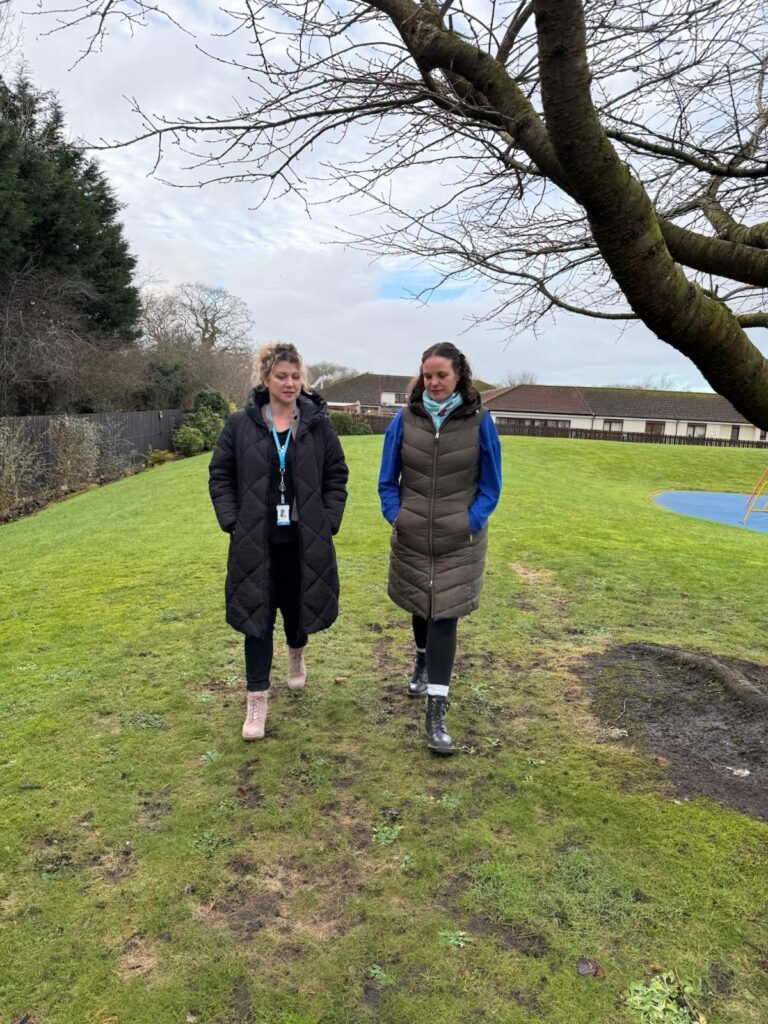
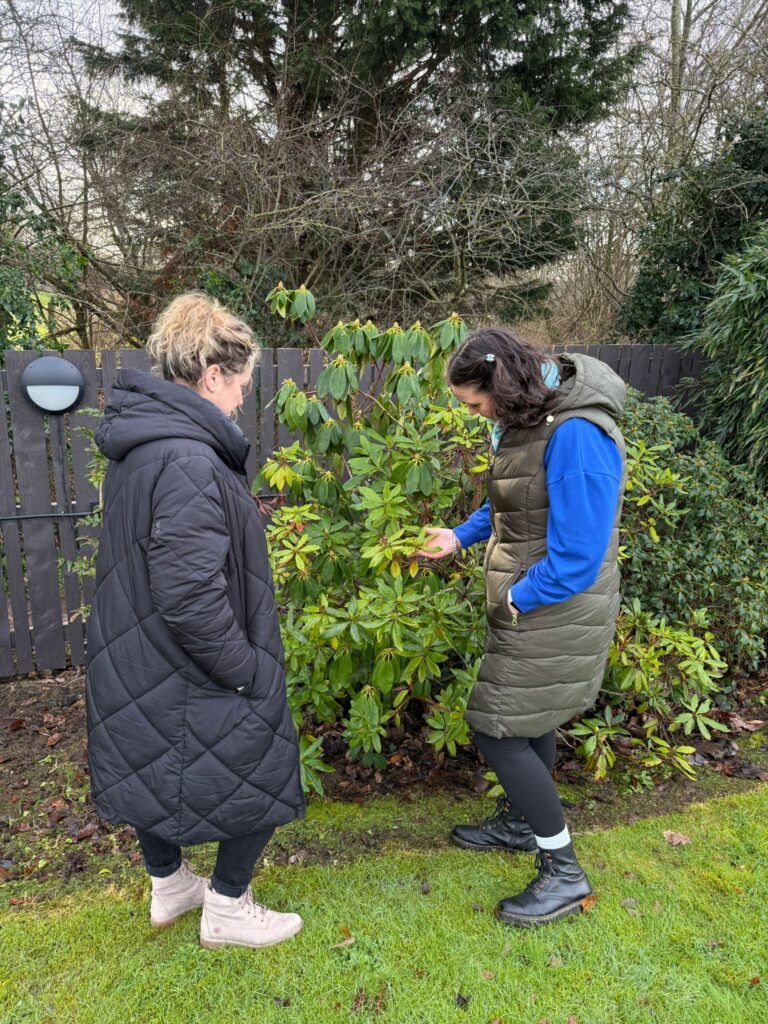
Walking side by side can help everyone feel more relaxed, calm nerves, and make it easier to talk about things.
Last year, Claire House supported 232 individual family members through its counselling service, offering the chance to benefit from outdoor therapy.

Today, on Take a Walk Outdoors Day, Head of Family Wellbeing and Therapeutic Services at Claire House Catherine Livesey talks about the benefits of stepping outdoors and the powerful way they walk alongside families.
Why is walking outdoors such a powerful tool for supporting families in counselling?
Though it seems simple, walking outdoors is highly effective. The combination of movement, nature, and shared space shifts emotional atmospheres in ways a therapy room often cannot.
When was outdoor therapy introduced?
Outdoor therapy, often called walk-and-talk counselling, became available to families in 2021 after the team completed professional training.
Why is it important to highlight this type of therapy?
Walking requires no special equipment, money, or fitness, just an openness to nature and its benefits.
What differences do families experience compared to indoor counselling?
Walking and talking changes the emotional rapport. Families often open up more freely, conversation feels less formal, and the rhythm of walking provides grounding. Being side by side reduces pressure, encourages sharing, and fosters collaboration. For children and teens, outdoor sessions allow movement, creativity, and safe exploration, helping them process unpredictable or frightening circumstances.
How does walking ease initial conversations for anxious families?
Walking side by side makes counselling feel less intimidating, calms the body, and reduces the sense of being judged. Silence feels comfortable, helping families build trust from the first steps and discuss difficult topics more calmly than in a formal room.
Beyond emotional support, what are the benefits of being outdoors and active?
Walking relieves tension, steadies breathing, reduces overwhelm, improves mental clarity, and supports sleep. Nature provides calm and perspective, while walking with someone reduces isolation and strengthens connection. Even brief walks can restore a sense of control and progress during challenging times.
What does outdoor therapy say about the hospice’s approach?
It reflects a compassionate, flexible, and person-centred approach, showing that support doesn’t have to happen in clinical spaces. Outdoor therapy acknowledges that wellbeing is linked to movement, nature, and human connection, offering families a safe, natural environment to open up.
What would you say to someone considering counselling?
Reaching out can feel daunting, but you don’t have to face everything alone. Counselling is a space to talk, breathe, and be understood—at your own pace, without pressure. Taking the first step could help you feel supported and less alone.
For more information, visit the website.
READ MORE: Big Charity Giveaway 2026 Launched For Liverpool City Region