
Conservationists at Chester Zoo have welcomed a rare northern giraffe to the family, and they are crossing their fingers that he will prove to be quite the catch.
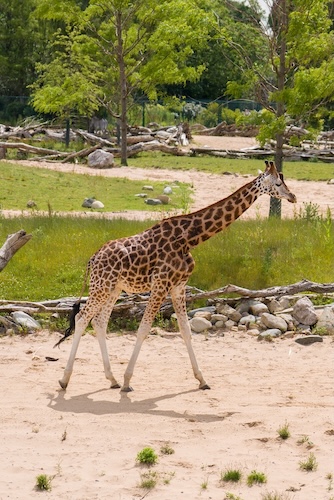
Kris, a lively three-year-old male, has made the journey from West Midlands Safari Park to meet the zoo’s resident female herd.
His big move has been meticulously planned behind the scenes, with experts carefully matching the animals based on their genetics, age, and temperaments.
The team at the zoo are incredibly hopeful that his arrival will lead to new calves in the future, strengthening an essential conservation breeding programme for the northern giraffe, which currently stands as one of the most endangered giraffe species on the planet.
Right now, fewer than 7,000 northern giraffes are left in the wild, with their numbers driven down by poaching, habitat loss, and ongoing conflict with local human populations.
Rosie Owen, a giraffe keeper at Chester Zoo, said:
“Kris’ arrival marks the beginning of an important new chapter for the herd here at Chester. He’s already settling into his new home brilliantly.
“At just over three years old, Kris is still a young giraffe, but he’s full of confidence and is already getting to know the herd, and out of his five new housemates, four of them are older females who are all considerably taller than him.
“He’s taking everything in his stride and we’re optimistic that, in time, our matchmaking will pay off and he’ll go on to play a vital role in helping to save his species from extinction.”
Nubian giraffes, which are a rare subspecies of the northern giraffe, were once a common sight across western Kenya, western Ethiopia, southern Sudan, and Uganda.
Tragically, their wild numbers plummeted by around 95% in just three decades. Today, they only manage to survive in small, isolated pockets.
The Reality Facing Wild Giraffes
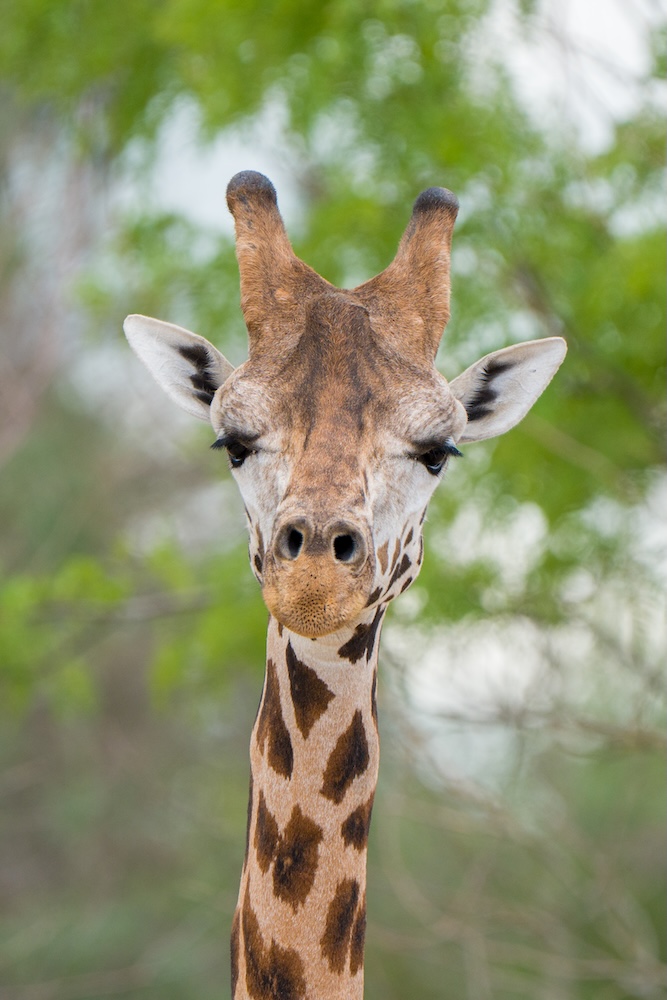
Despite the stark figures, conservationists at the zoo say there is a real reason for renewed optimism.
Recent tracking and monitoring in Uganda revealed that Nubian giraffe numbers have actually risen year on year, particularly in the national parks where Chester Zoo and its international partners operate.
Stuart Nixon, an African conservation expert at Chester Zoo, added:
“For more than a decade, we’ve supported our in-country partners, the Giraffe Conservation Foundation and the Uganda Wildlife Authority, in their efforts to protect and recover populations of the Nubian giraffe, a subspecies of northern giraffe and one of the most threatened giraffes in all of Africa.
“The largest remaining population of Nubian giraffe, anywhere in the wild, is found in Murchison Falls National Park in Uganda.
“Our work here has included safely translocating genetically important giraffes from the herds there to help strengthen smaller, isolated populations elsewhere in the country.
“Alongside this, we’re also helping to carry out annual population surveys and provide practical support for ranger teams tackling the threat of wire snares and poaching.
“This work has seen the Nubian giraffe population increase by more than 600 individuals over the last 10 years, with numbers continuing to increase year on year.
“The recovery of the Nubian giraffe in Uganda is a massive success story and shows what science-led conservation can achieve.
“It also showcases why continued protection efforts in Africa, paired with coordinated conservation breeding in zoos, remain so important for the future of the northern giraffe.”
How You Can See Kris and the Herd This Summer
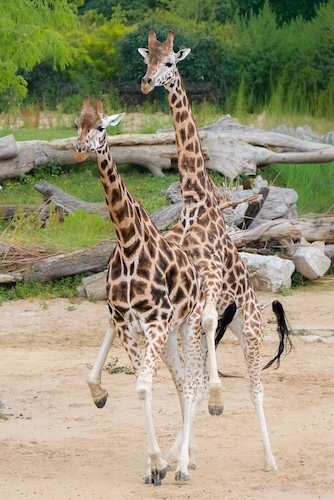
If you want to catch a glimpse of the new arrival yourself, Kris is already out and about exploring his new surroundings alongside the rest of the herd.
Visiting the zoo directly supports these international field projects, helping to fund the rangers, surveys, and anti-poaching gear needed to keep wild populations growing.
The giraffe habitat is open daily, giving visitors a fantastic opportunity to see the young male find his feet and get to know his much taller new housemates.