
As part of its anniversary year, the Palm House is hosting a display in Liverpool’s Central Library to celebrate how a group of people changed the future of this iconic city landmark 25 years ago in 2001.
Opening on Thursday, 7 May, until 27 August, the display situated on the third floor of Central Library, called Save It!, will document the decline and dereliction of the Palm House from the 1950s to the 1980s, and the journey towards its restoration and reopening.
Featuring archive material from Liverpool Record Office, including photographs, fundraising material and personal stories, Save It! will use the Palm House’s 25-year anniversary to honour and celebrate the tenacity of the local community and core team of campaigners, who joined together to save it following years of damage and neglect.
A History of Resilience

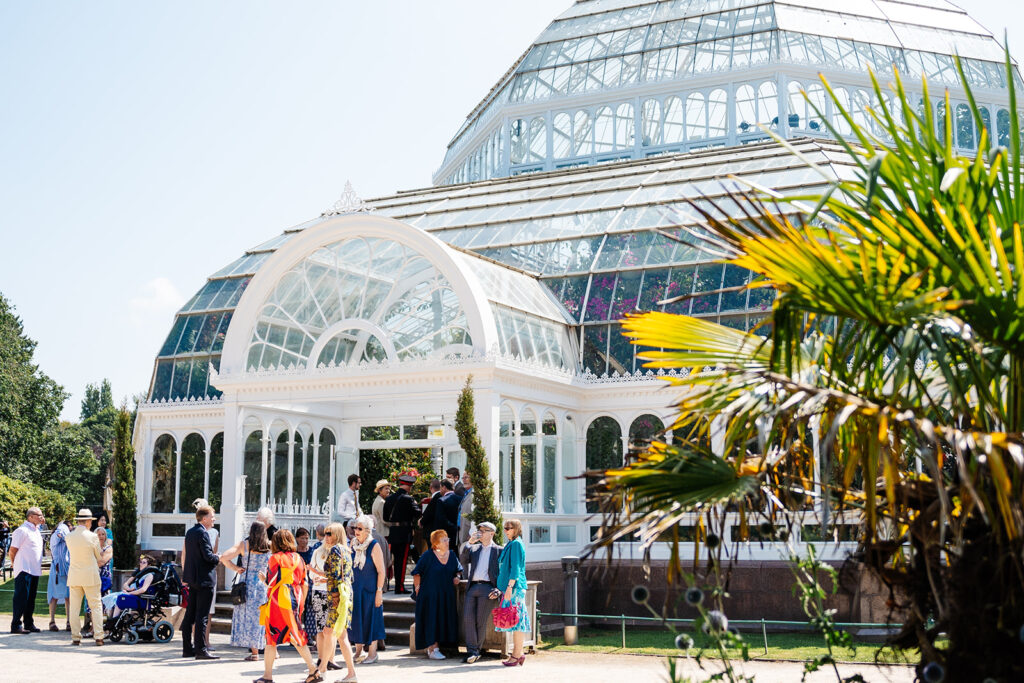
2026 also marks 130 years since the historic Liverpool landmark first opened in 1896.
It was built by local resident Henry Yates Thompson to give Liverpool people the unique opportunity to experience plants from around the world close to home. Kate Johnson, CEO of Sefton Park Palm House, said:
“This marvel of Victorian architecture and engineering was the jewel in Sefton Park and it’s difficult to believe that such a beautiful, well-loved and historic landmark in our city could have fallen into disrepair, but sadly, this was the case following some difficult periods in its timeline.”
After a bomb dropped near the Palm House in the Second World War and shattered the panes of glass, it was restored in 1951.
However, incorrect materials were used, and with no further investment, all but a few of the original plants were removed in 1984, and the building further declined and was fully closed six years later.
It was only after a sign appeared on the security hoarding spelling SAVE IT in bright red paint that people started to take notice.
This sparked a 10-year community campaign to safeguard the structure for a new generation.
The Power of Community Determination
Kate Johnson continues:
“Without the goodwill of the local community driving a campaign to save and restore it, it’s very clear that the Palm House we know and love today would not be here.
“Campaigners worked tirelessly throughout the 90s alongside Liverpool City Council to identify and secure funding through various sources, ensuring the £3.5million needed to painstakingly restore this architectural icon could be done with the utmost care.”
After setting up a registered charity to enable its reopening in 2001, the campaigners also recognised the need to support the Palm House in generating its own income through weddings and events.
This business model protects the physical building and its botanical collection, sustaining its purpose as a heritage visitor attraction and a setting for educational and community events.
One of the original campaigners and past Chair of Sefton Park Palm House Preservation Trust, Kate da Cruz, said:
“I remember roller-skating in Sefton Park with my cousin in the 1980s when the Palm House was derelict.
“My Aunt was part of the ‘Save It’ campaign, and I later joined the team of volunteers who oversaw the restoration of the building and the recreation of the wonderful, plant-filled space.
“Over the last 25 years, the Palm House has gone from strength to strength. It’s such a joy to see locals and international cruise liner tourists alike, marvelling at the plants from around the world, and the quality of space in which they live.
“It’s fantastic to have the Palm House right here in Liverpool and just shows what a determined group of locals can achieve.”
The display at Central Library is free and open Monday to Saturday from 7 May to 27 August, after which the story elements will be shown in the Palm House itself.
It is part of a wider series of events throughout the year, including a programme of talks, late summer openings, a garden display with community organisations, and a Grow Your Own Harvest Festival.