

Five prominent arts venues across Liverpool are collaborating to present a series of major exhibitions detailing the career and creative output of the celebrated local artist Julia Carter Preston.
From 1926 to 2012, the practitioner became widely recognised for her distinctive pottery designs.
The coordinated commemorative programme, titled ‘Celebrating Julia Carter Preston, Ceramicist,’ will officially open to the public on Friday, 11 September 2026 and features an academic symposium exploring her artistic impact and position within postwar British ceramics.
The Liverpool-born creative achieved widespread acclaim for her pivotal role in reviving the historical technique of sgraffito during the twentieth century.
Possessing ancient origins and later popularised across Renaissance Italy, the sgraffito method requires an artist to scratch through an exterior coating of liquid clay slip to expose an underlying surface layer, generating highly contrasting decorative patterns.
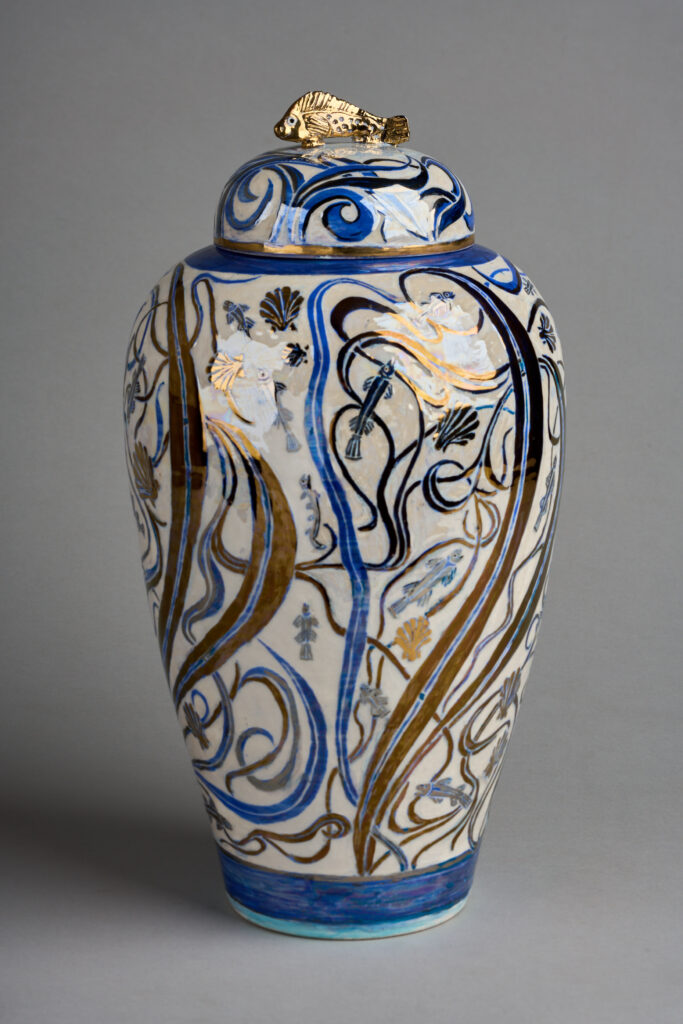
Carter Preston utilised this intricate process to brilliant effect throughout her career, regularly applying shimmering metallic-lustre glazes to an expansive assortment of objects, including bowls, plates, jars, tiles, and a comprehensive dinner service.
Her specialised skills remained in great demand throughout her lifetime, resulting in numerous high-profile commissions to manufacture bespoke plaques and commemorative pieces for significant regional anniversaries and civic celebrations.
Her signature aesthetic was defined by flowing, complex patterns rooted in natural forms, drawing stylistic inspiration from the work of William Morris and traditional Islamic art.
The upcoming centenary schedule will place a specific focus on these creative influences while mapping out the enduring contemporary interest in the practice of sgraffito.
The Multi-Venue Anniversary Schedule and Regional Gallery Displays
The city-wide exhibitions will commence following a special preview launch on Thursday, 10 September 2026, with public access starting the following day.
The majority of the participating installations will remain open through to the conclusion of the year, with comprehensive itinerary details published in a dedicated programme brochure and across individual venue websites.
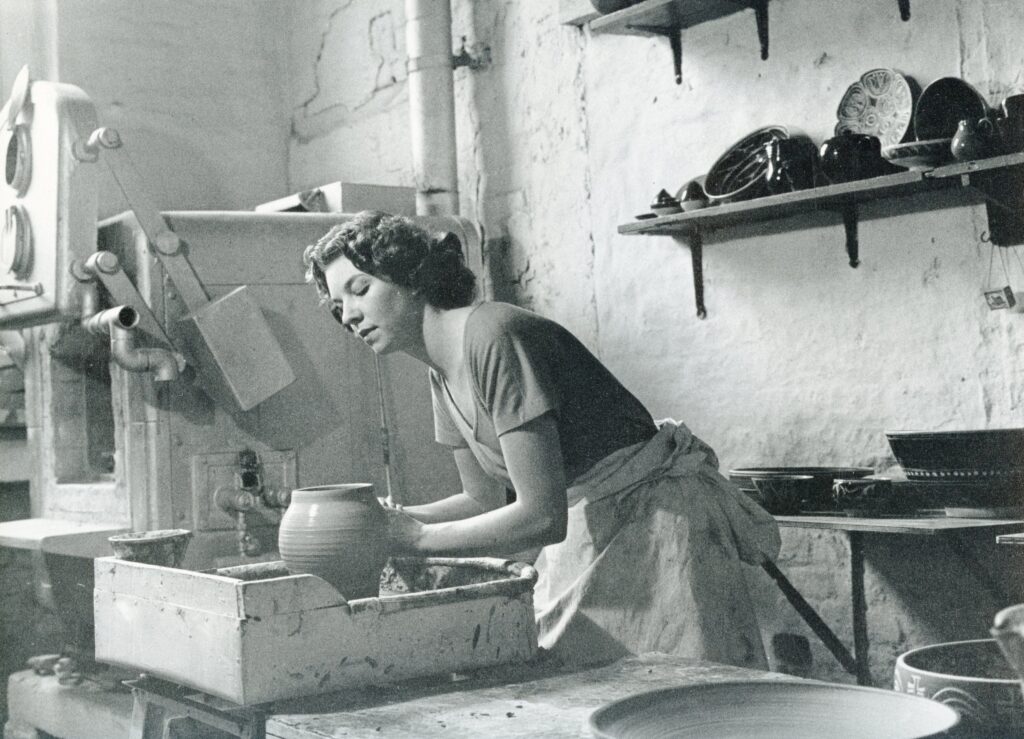
Having operated a creative studio overlooking the garden at the Bluecoat for several decades, the artist’s legacy will be marked by two distinct presentations at the central arts hub.
The first comprises an extensive archive display of historical photographs, documents, and commissioned plaques created to celebrate key milestones for the Bluecoat Society of Arts.
The second installation, titled ‘Made from Scratch,’ will run at the Bluecoat Display Centre until 7 November 2026.
This exhibition aggregates an array of original pieces on loan from private regional collectors, displayed alongside items from leading contemporary sgraffito practitioners, printmakers, and jewellers to explore themes of etching, surface texture, and intricate design.
Concurrently, the Liverpool Hope University Creative Campus will host a dedicated public exhibition featuring ceramics and supplementary materials curated from the Liverpool Hope Carter Preston Foundation’s permanent collection.
Housed directly at the university, this specialist archive contains historical works produced by both Julia and her father, the noted sculptor Edward Carter Preston.
National Museums and University Collections Showcase Lustreware Artworks
The city-wide celebration extends into major civic institutions, emphasising the artist’s deep connection to Merseyside’s cultural identity.
The Walker Art Gallery is set to showcase outstanding examples of her pottery selected from the permanent collection of National Museums Liverpool, which were originally acquired from the University of Liverpool, the Bluecoat Display Centre, or via generous historical bequests from local art collectors.
The curated progression of items on display will track her technical evolution as a master potter.
Furthermore, a specialised display at the University of Liverpool’s Victoria Gallery & Museum (VG&M) will highlight two notable examples of her lustreware production.
These include a vibrant lustre glaze bowl and an intricate lidded jar featuring sgraffito figuring alongside deep lustre glazes, both crafted in 2001, exhibited alongside alternative highlights sourced from the university’s wider historic ceramics collection.