

Chester Zoo conservationists have launched the largest ever butterfly survey in Madagascar to protect fragile species and create the island’s first comprehensive identification guide.
Chester Zoo and Malagasy conservationists are carrying out the biggest ever butterfly survey in Madagascar and they have high hopes of “uncovering what an extraordinary forest is hiding”.
Ahead of Butterfly Education and Awareness Day (BEAD) this Saturday (June 6), Chester Zoo, research and reforestation group Madagasikara Voakajy, and butterfly experts at the University of Antananarivo have announced the biggest butterfly survey to take place on the island nation.
By the time it concludes, the project, the first of its kind launched in the ecologically vital forests of the Mangabe protected area, will produce the country’s first official butterfly ID guide and will be the largest butterfly survey ever carried out in Madagascar.
Researchers confirmed the presence of 61 species during the first catch-and-release butterfly counts and collected data on their life cycles.
The team are using tent-like charaxes traps baited with rotting fruit to lure in butterflies so they can be photographed for identification. They are then released, unharmed.
As well as cataloguing butterfly biodiversity so species can be protected, the survey will help evaluate the effectiveness of conservation efforts.
Imogen Newens-Hill, invertebrate keeper at Chester Zoo, delivered training to the teams based in Madagascar.
Ms Newens-Hill said:
“The Madagasikara Voakajy team works so hard at reforesting the land. It’s great to show their work has real value.
“They have deep knowledge of nature in their region, they know all about lemurs, frogs, reptiles, but there’s so little formal information on insects that it’s difficult to reliably identify species.
“Butterflies are very sensitive to habitat change.
“Each species needs a different host plant.
“Because of this, and the way they react very quickly to ecological change, they are great indicators of the health and biodiversity of a region:, ots of butterfly species indicates lots of plant diversity.”
The conservationists are using this data to shape their forest restoration projects and to work with communities to integrate butterfly-friendly practices into agroforestry practices.
The team used an informal guide sheet to identify some Malagasy species, and Ms Newens-Hill referenced a guidebook of South African butterflies, but these are not comprehensive. Many butterflies recorded during the count are likely to only be found on the island, which sits 400km from mainland Africa.
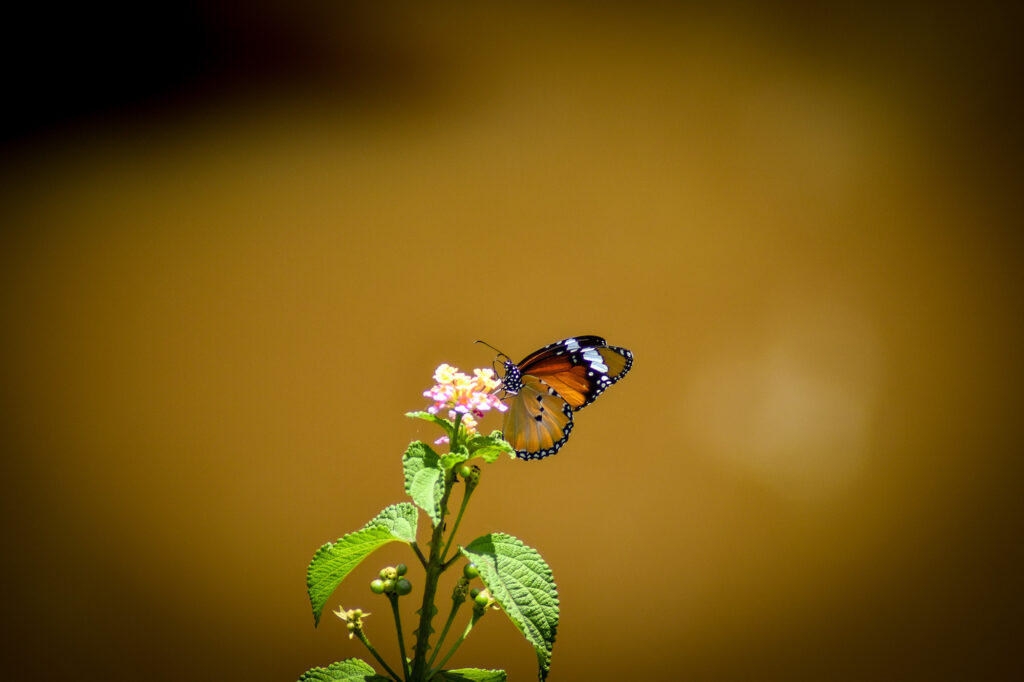
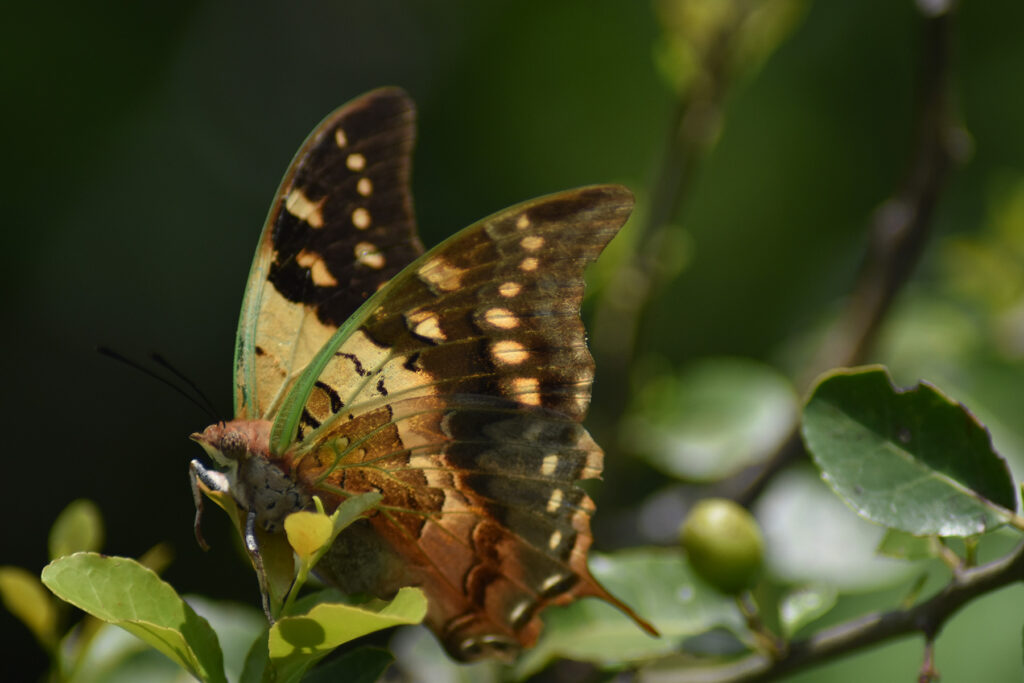
The team has identified several species, like the Madagascan striped swordtail (Graphium evombar) and the teardrop swallowtail (Papilio epiphorbas).
The data gathered so far confirms that butterflies thrive in established forest, are less frequently found in newly replanted forest and are sparser and less diverse in areas where the forest has been stripped back.
The long term study is designed to take place alongside reforestation work, to capture habitat changes over the season, and to train the entomologists of the future.
Unlocking Secret Wilderness Secrets with Chester Zoo Butterfly Survey
Charles Wheeler, Madagascar Project Manager at Chester Zoo, said:
“Very little is recorded about butterfly species in Mangabe and Madagascar as a whole.
“During our 2026 expedition, we took part in the first butterfly counts, kickstarting the survey, which started in the rainy season and will continue through the year.
“It’s an exciting project.
“The team was thrilled when we identified different species, as it was the first time their presence was confirmed in Mangabe, and maybe in Madagascar.”
Chasing Rare Wings in Deep Madagascar Conservation Campaign
Pierre Razafindraibe, Research Leader in Mangabe, said:
“Mangabe is revealing more than we ever imagined.
“In just two short fieldwork sessions, our butterfly list grew from around 47 species to over 60. Maybe there could be more.
“With the University of Antananarivo, and with Chester Zoo’s support, we will return to uncover what else this extraordinary forest is hiding.
“The real discovery may still be ahead of us.”
Dr HDR Andrianjaka Ravelomanana, Entomologist Biologist, University of Antananarivo, Madagascar, said:
“From my experience across the region, Mangabe clearly stands out for its exceptional butterfly diversity.
“This collaboration has been invaluable, especially in coaching students from Ankatso in the field. This work is only gaining momentum.”
READ MORE: Michael Head & The Red Elastic Band Announced for Summer of Sound Headline Show