
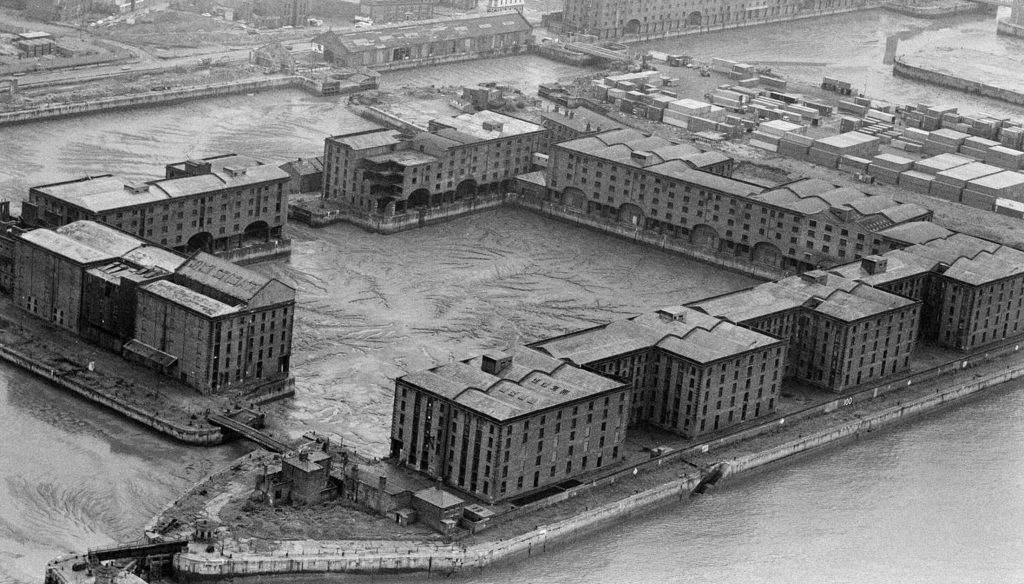
Nestled along the iconic waterfront of Liverpool, the Albert Dock stands as a testament to the city’s rich maritime history.
This architectural masterpiece has played a pivotal role in shaping Liverpool’s identity and has witnessed centuries of economic and cultural evolution. The story of the Albert Dock is a fascinating journey that spans from its construction in the 19th century to its transformation into a thriving cultural hub in the present day.
The Albert Dock was officially opened in 1846 by Albert, Prince Consort, the husband of Queen Victoria, and was designed by the eminent engineers and architects Jesse Hartley and Philip Hardwick. Its construction marked a significant departure from traditional dock design, as it introduced innovative features that made it a pioneer in dock engineering. The most notable innovation was the use of cast iron, brick, and stone, as opposed to wood, which was commonly used in other docks of that era. This choice not only enhanced the dock’s durability but also made it fire-resistant – a critical factor considering the flammable nature of goods often transported through the port.
The Albert Dock quickly became one of the most advanced and modern docks in the world, accommodating larger vessels and streamlining the loading and unloading processes. Its warehouses, constructed with practicality and aesthetics in mind, were the first fireproof warehouses in the world.
The Albert Dock played a crucial role in Liverpool’s ascendancy as a major global trading port during the 19th century. The dock’s location allowed for direct access to the city centre, facilitating the easy transport of goods. Its innovative design and state-of-the-art facilities attracted merchants and shipping companies, contributing significantly to Liverpool’s economic boom during the Industrial Revolution.
Trade at the Albert Dock spanned a wide range of commodities, including cotton, sugar, tobacco, and other goods from the British Empire and beyond. The bustling dock became a symbol of Liverpool’s prosperity and global reach, with ships arriving from and departing to destinations around the world.
Despite its initial success, the Albert Dock faced challenges in the 20th century with the changing dynamics of global trade. As larger ships and containerization became the norm, the dock’s facilities became outdated, leading to a decline in its usage. By the 1970s, the Albert Dock had fallen into disrepair, and there were discussions about demolishing it.
However, the Albert Dock was saved from demolition through a visionary regeneration project. In the 1980s, the dock was redeveloped into a mixed-use complex that retained its historic character while introducing new elements. The renovated Albert Dock reopened its doors to the public in 1988, blending historical significance with modern functionality. It was officially reopened by The Prince of Wales, the great-great-great-grandson of Prince Albert, the man who had originally opened the docks.
Today, the Albert Dock stands as a thriving cultural and leisure destination. The dock is home to a variety of museums, galleries, shops, restaurants, and residential spaces. The Tate Liverpool, Merseyside Maritime Museum, and the International Slavery Museum are among the cultural institutions that draw visitors to the area.
In recognition of its historical importance and successful regeneration, the Albert Dock, along with other areas of Liverpool’s waterfront, was designated a UNESCO World Heritage Site in 2004. This prestigious status acknowledges the outstanding universal value of the dock and its contribution to Liverpool’s maritime legacy.
In 2018, it was granted a Royal Charter, and the Albert Dock was now renamed Royal Albert Dock.
The Albert Dock’s journey from an innovative 19th-century trading hub to a 21st-century cultural destination is a testament to Liverpool’s resilience and adaptability. Its rich history, coupled with its contemporary allure, makes the Albert Dock a must-visit landmark, offering a glimpse into the city’s maritime past and its vibrant present. As Liverpool continues to evolve, the Albert Dock remains an enduring symbol of the city’s ability to preserve its heritage while embracing the future.