
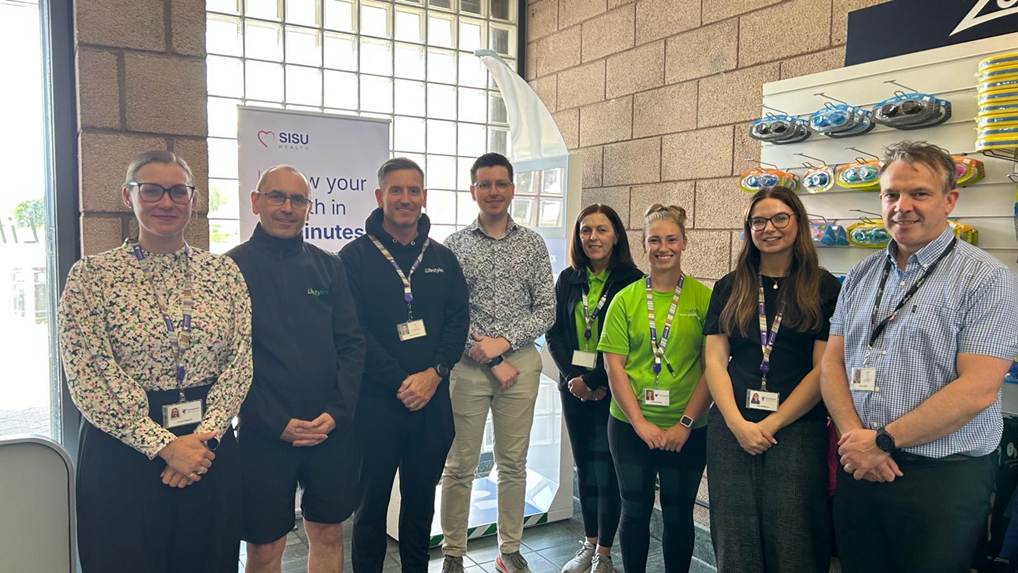
Residents in Liverpool can now access quick, free health checks in convenient community settings, as Liverpool City Council’s Public Health team supports the introduction of new self-service health stations at Lifestyles Alsop and Garston.
The new stations, funded by Public Health Liverpool, will give people the opportunity to complete a simple health check in under five minutes, helping to spot early signs of serious conditions such as heart disease, stroke, and dementia.
The SISU Health Stations measure key health indicators, including blood pressure, BMI, heart rate and body composition.
They also assess lifestyle factors such as physical activity and alcohol use, and provide an estimated ‘heart age’.
Users receive instant, personalised feedback, including advice on whether to follow up with a pharmacist or GP.
With consent, the stations can also signpost residents directly to local services such as stop smoking support or adult weight management programmes.
By offering these checks in familiar community locations like Lifestyle Centres, the initiative aims to reach residents who may not routinely engage with traditional healthcare settings.
A Life-Saving Check: A Liverpool Story
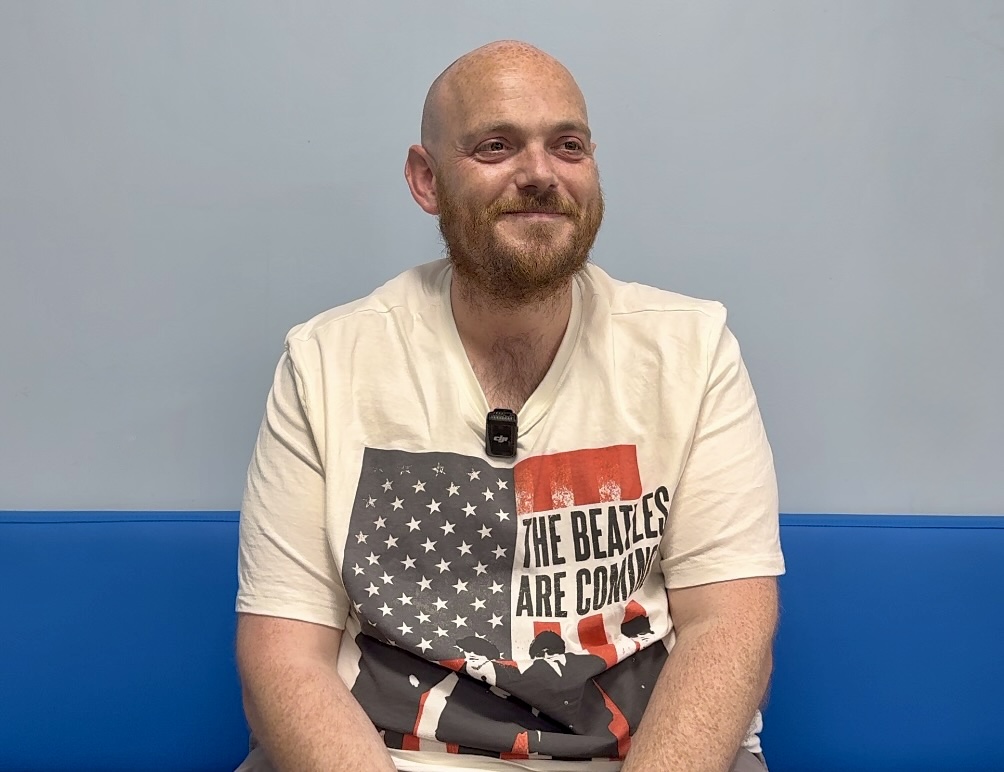
The importance of accessible health checks is highlighted by the experience of Mike Andrews, 45, from Tuebrook.
Mike had no symptoms and rarely visited the doctor, but during a routine optician appointment, he agreed to a quick blood pressure test after seeing a leaflet.
He said:
“I’m not one for going to the doctor, but something made me think ‘why not?’ I had no idea that decision would start a journey of some quite alarming conversations.”
His blood pressure reading was dangerously high at 255/151. After being advised to attend A&E immediately, Mike was admitted to Aintree Hospital for several days.
Mike continued:
“Doctors told me that without intervention, a heart attack or stroke was inevitable,
“My wife would have lost a husband, and my children would have lost their dad.”
Mike now takes daily medication to manage his condition and credits that simple check with saving his life.
His story reflects the wider impact of making routine health checks more accessible in community settings, particularly for conditions like high blood pressure, which often have no symptoms.
High blood pressure is a leading risk factor for serious conditions, including stroke, heart attack and kidney disease. Many people remain undiagnosed, which is why improving access to quick and simple checks is a key priority.
Within 24 hours of being installed, the health stations recorded 39 health checks and identified 3 people with high blood pressure. These individuals were navigated for a follow-up with NHS services.
Shifting Towards Long-Term Prevention and Inclusive Support
It is important to recognise that health station access may not meet everyone’s needs, particularly for wheelchair users and people with mobility barriers.
The Council’s Health & Wellbeing Team offers supportive, face-to-face services, including assistance with using the kiosks and personalised, in-person wellness checks, so residents can choose the option that works for them.
You can contact the team on 0151 351 3461, or email health@liverpool.gov.uk.
The introduction of these health stations builds on wider Liverpool City Council ambitions to shift towards prevention, early detection, and neighbourhood-based support.
The intention is for the health stations to be rotated across Lifestyles Centres over the next 2 years, with an evaluation of their impact to be carried out before deciding on any wider rollout.
Councillor Harry Doyle, Cabinet Member for Health, Wellbeing and Culture, said:
“Making it easier for residents to understand their health and take early action is a key priority for us.
“These new health stations bring quick, accessible checks right into the heart of our communities, helping people spot potential issues before they become serious.
“By working closely with our NHS partners, we’re removing barriers and ensuring that more people can benefit from early intervention and the right support at the right time.”
Professor Matt Ashton, Director of Public Health for Liverpool City Council, said:
“High blood pressure and other cardiovascular risks often develop silently, without symptoms, which is why making these checks widely accessible is so important.
“These new health stations are a simple but powerful tool to help people understand their health, identify risks early, and take action.
“By bringing prevention closer to where people live their daily lives, we can improve outcomes and help reduce health inequalities across the city.”