

The first of more than 560 new low-emission buses are ready to hit the streets of the Liverpool City Region as the region prepares to bring its bus network back under public control.
Representing an investment of more than £150 million, the new vehicles form a major part of plans to transform bus services across the region.
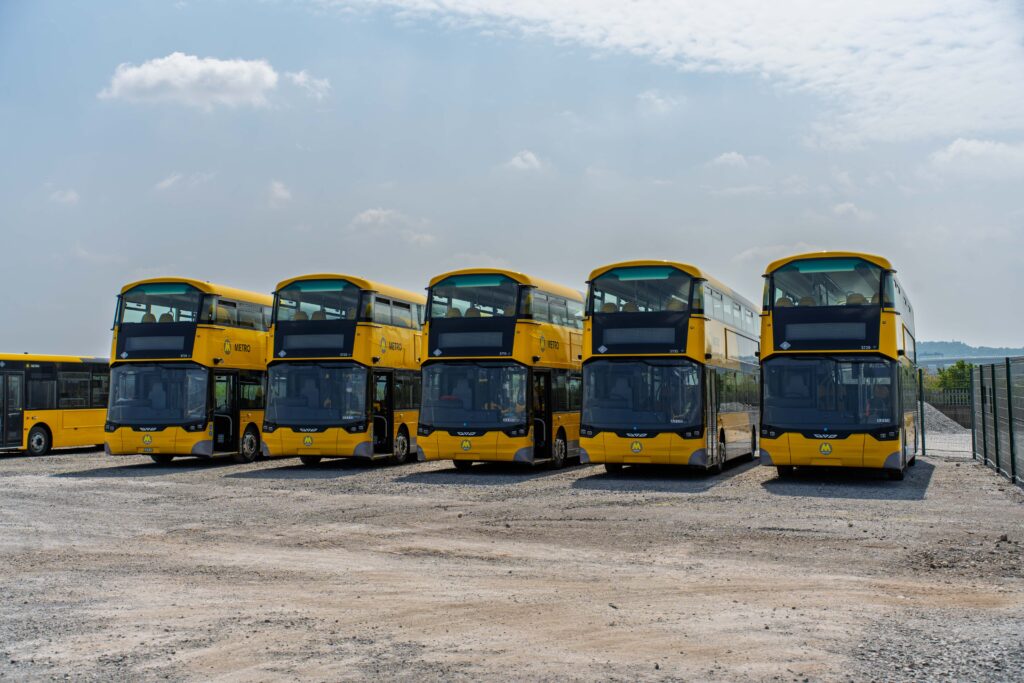
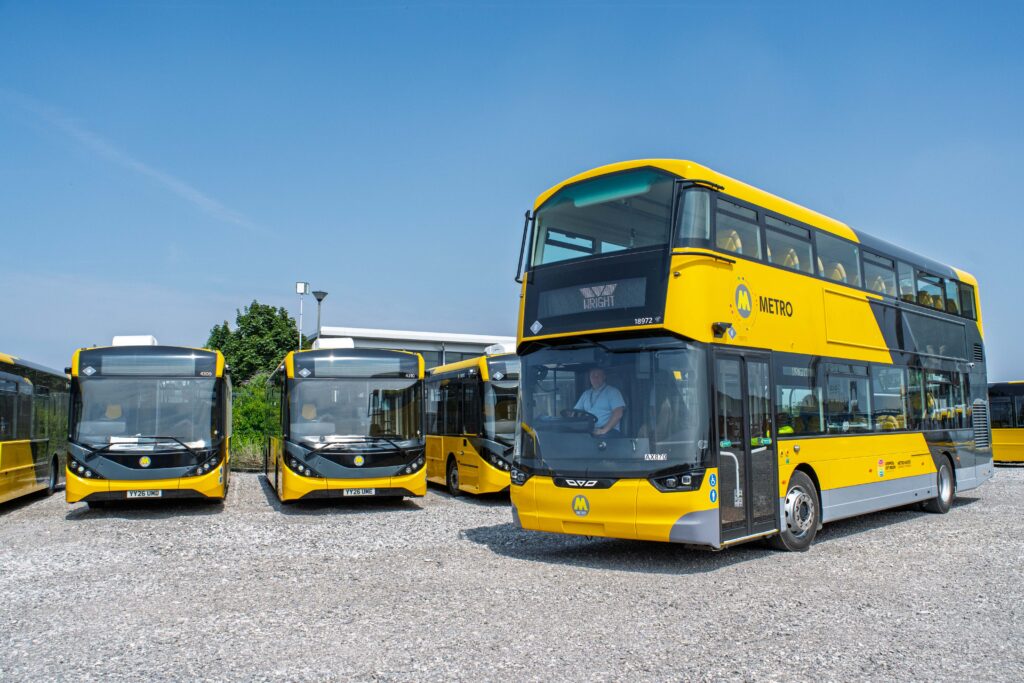
Featuring the distinctive yellow, black and grey Metro livery, the buses will join 108 publicly owned electric busesalready operating across the Liverpool City Region.
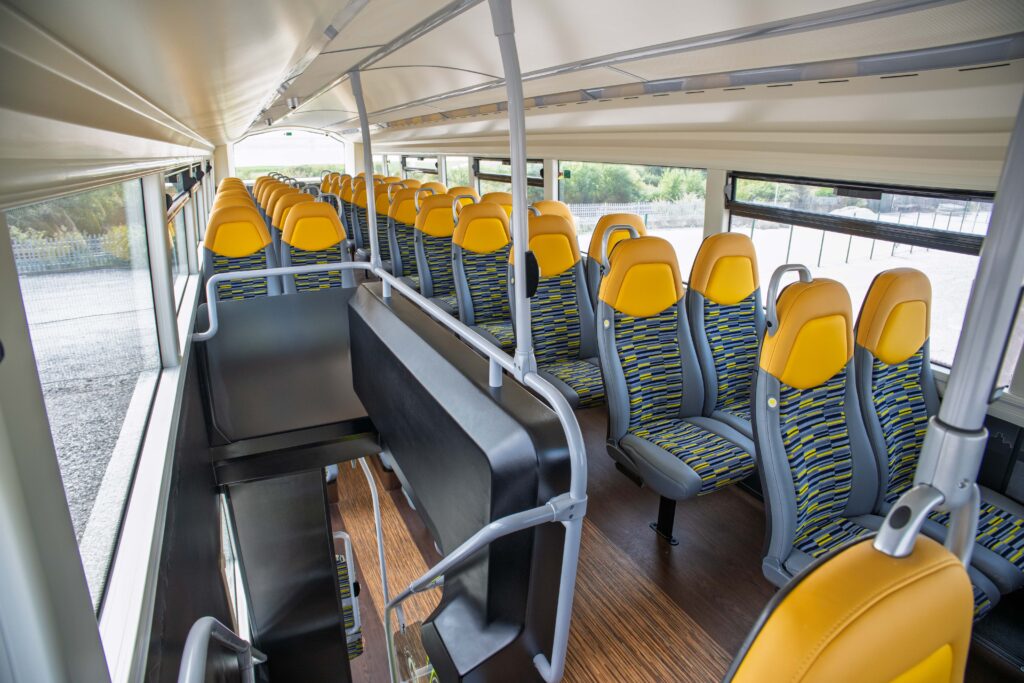
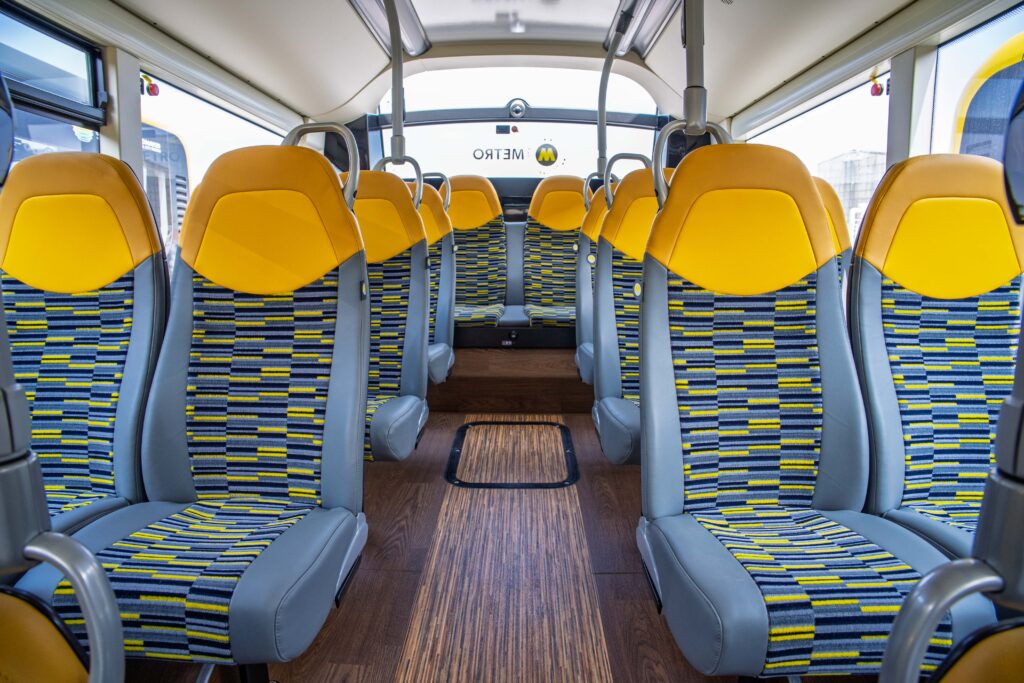
Designed with passengers in mind, the new fleet will offer more comfortable and accessible journeys, with features including air conditioning, USB charging points and improved seating.
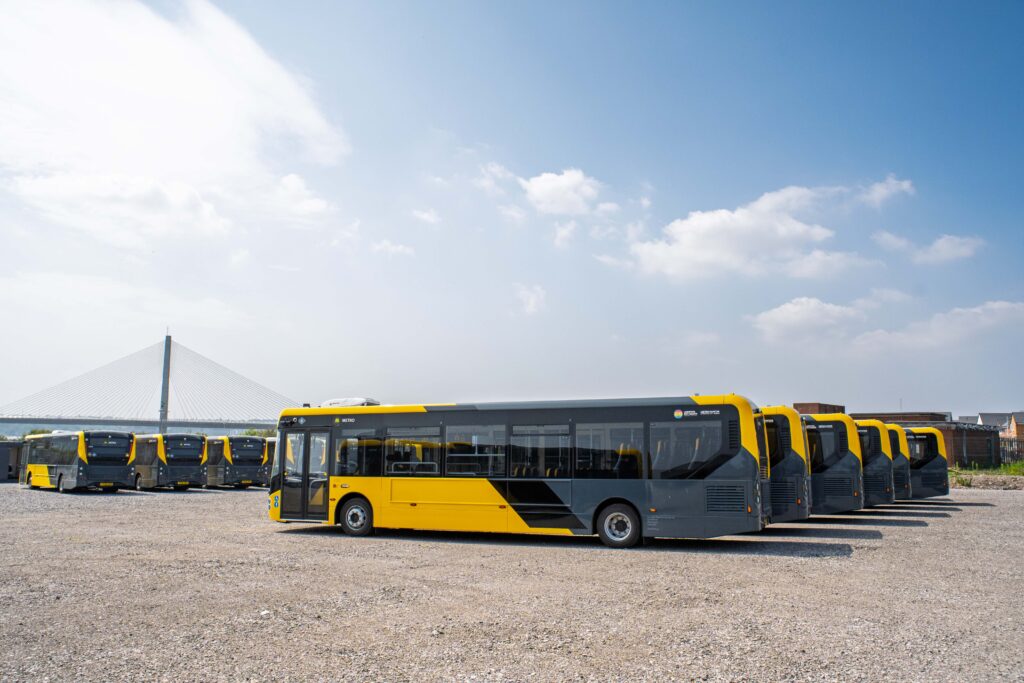
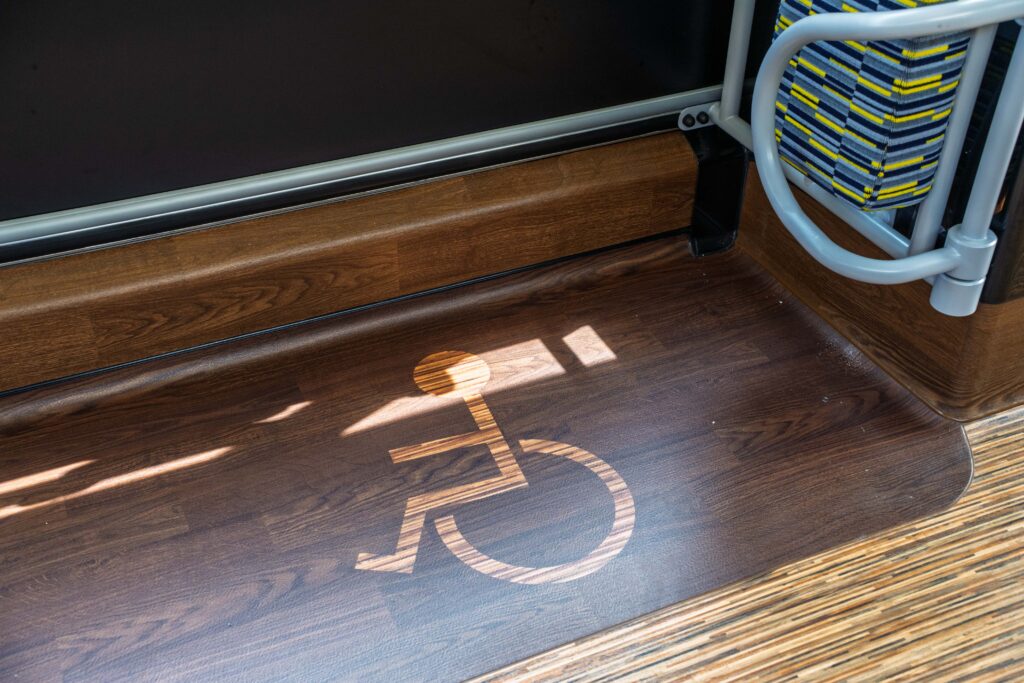
There will also be additional space for wheelchairs and prams, alongside audio-visual announcement technology designed to make travelling by bus easier and more accessible.
The vehicles have been manufactured in the UK by Alexander Dennis Limited (ADL) in Scotland and Yorkshire and Wrightbus in Northern Ireland.
Built to the latest Euro 6 environmental standards, the buses are expected to deliver a 20% reduction in carbon emissions and cut Nitrogen Oxide emissions by more than 80% compared with much of the existing generation of buses operating across the region.
They have also been designed so they can eventually be converted to battery electric power as grid capacity and charging infrastructure develops.
The move supports Liverpool City Region Mayor Steve Rotheram’s ambition to operate a zero-emission bus fleet by 2035.
Dozens of additional single-decker electric buses are included in the £150 million fleet investment and are expected to begin arriving in the region from 2027.
The programme forms part of a wider modernisation of public transport across the Liverpool City Region, alongside the £500 million investment centred on the new Merseyrail train fleet and the first new Mersey Ferry in more than 60 years.
The introduction of the buses comes as the Liverpool City Region begins bringing its bus network back under local public control for the first time in more than 40 years.
Steve Rotheram, Mayor of the Liverpool City Region said:
“The arrival of these state-of-the-art, low-emission vehicles marks a massive milestone on our countdown to taking back control of our bus network. We are completely renewing our fleet with ultra-modern, accessible buses that give our residents the premium, reliable experience they deserve.
“This is about building a fully integrated transport network that is fit for the future. We are creating a system that connects our communities seamlessly – making public transport the first choice for the 1.6 million people who call the Liverpool City Region home.
“From Autumn 2026, when St Helens and Wirral lead the transition into public control, we will finally have the power to design a network that puts passengers first. Combined with our new battery-powered trains, electric buses, and our brand-new Mersey Ferry, we are modernising every corner of our transport network to drive our region forward.”
Paul Davies, President & Managing Director of Alexander Dennis, said:
“We’re delighted to play our part in bringing better bus services to the Liverpool City Region with this latest delivery of new Alexander Dennis buses. Designed around passengers’ needs, people who use the bus network will love their spacious interiors which have been designed to be accessible and comfortable for all.
“Our low-emission buses have been fully designed and manufactured in Britain. Thanks to Mayor Steve Rotheram’s joined-up approach, the investment in a better bus network not only delivers results for the Liverpool City Region’s residents and passengers but benefits further communities and local economies across the country where these buses are built.”
Christian Reynolds, Managing Director of Wrightbus, said:
“We’re proud to play our part in the transformation of bus services across the Liverpool City Region, delivering ultra low-emission vehicles designed and built here in the UK.
“This investment demonstrates the value of backing British manufacturing. By choosing UK-built buses, the Liverpool City Region is not only investing in better public transport but also supporting over 2,000 highly skilled manufacturing jobs at Wrightbus, and thousands more across the UK supply chain.
“We look forward to seeing these buses become a familiar sight on the region’s roads as the network enters an exciting new chapter, offering passengers a cleaner, more comfortable and more accessible way to travel.”
The transition is being introduced in phases, beginning with St Helens and Wirral in September 2026, before services in Knowsley, Liverpool and Sefton become fully franchised by the end of 2027.
READ MORE: Mersey Ferries crews prepare to welcome passengers aboard new Royal Daffodil