


Chester Zoo conservationists travelled to one of the driest places on the planet to save highly endangered cacti.
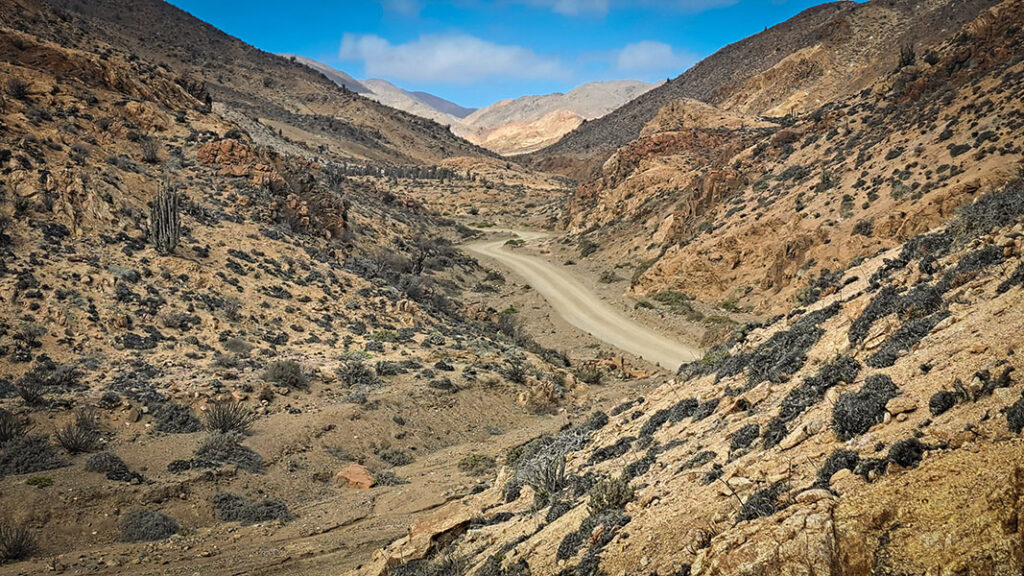
Plant conservationists have just returned to Cheshire after spending days under the blistering sun in Chile’s hyper-arid Atacama Desert, where they painstakingly harvested Copiapoa cacti seeds for preservation.
Many of these species are in real danger of extinction due to climate change, industrial and urban development projects, plant poaching and illegal off-roading.
Several species never before included in a seed bank were identified and harvested.
Paul Bamford, regional field programme senior manager for Latin America, and Richard Hewitt, team manager for the Chester Zoo plant nursery, worked alongside Cactus Lagarto Nursery and the INIA Intihuasi Seedbank, where the seeds are now housed.
The Chester Zoo team also visited the Chilean government’s Cactus Rescue Centre, where hundreds of recovered Copiapoa cacti are housed, including those seized during a major international cactus trafficking case in 2020.
Following a five-year operation, during which a high-profile cactus poacher from Italy was successfully prosecuted, more than 800 plants were returned to Chile.
This may be the first time stolen plants were repatriated at this scale following illegal removal from their habitats. The location of the Rescue Centre cannot be shared for security reasons.
Unlike cactus poachers, seed harvesting conservationists abide by strict rules, including being careful not to take too many seeds, and have a clear rationale for their work.
The Chester Zoo team was involved in every step of the process, removing the seeds from wild Copiapoa using tweezers, logging location coordinates, photographing the parent plant beside bagged and labelled seed samples, and returning them to a lab to be sorted, cleaned, dried and frozen.
Copiapoa seeds do not travel far from the parent plants, and the cacti grow very slowly.
This means individual species are often restricted to a small area, making them vulnerable to damage and slow to recover.
Chester Zoo has housed the National Collection of Copiapoa, a registered group of plants kept for conservation purposes, for over 20 years, and educates visitors about threats to cacti through the on-site Plant Project area, which Richard Hewitt oversees.
The project is funded by the Korea Arboreta and Gardens Institute, via Botanic Gardens Conservation International’s Global Seed Conservation Grant.
Establishing Seed Banks as Failsafes Against Ecological Loss
Paul Bamford said:
“We drove 13 hours to reach the desert and were up from dawn ‘til dusk each day working our way from one population of cacti to the next.
“The Atacama Desert is one of the driest places on earth, so it was hot and dusty, but the work was worthwhile.
“The idea of seed banks can feel quite apocalyptic, as they are set up for the worst-case scenario: the loss of a species from the wild.
“But like zoos, they are also sites that bring people together for organisation and research. This expedition doubled up as a training workshop for Chester Zoo staff and Chilean conservation organisations.
“Our next step will be to work with the INIA seed bank and cactus experts in Chile to draft best practice guidelines for saving seeds.
“It was hot, dry and intensive work. Being out in the field was amazing, but we saw evidence of the dangers threatening these species.
“We saw illegal constructions, 4×4 tire tracks going through their habitats, it is easy for illegal drivers to destroy a whole colony, and there were gaps where poached plants were uprooted and carried away.”
Direct Field Experience Informs UK Conservation Work
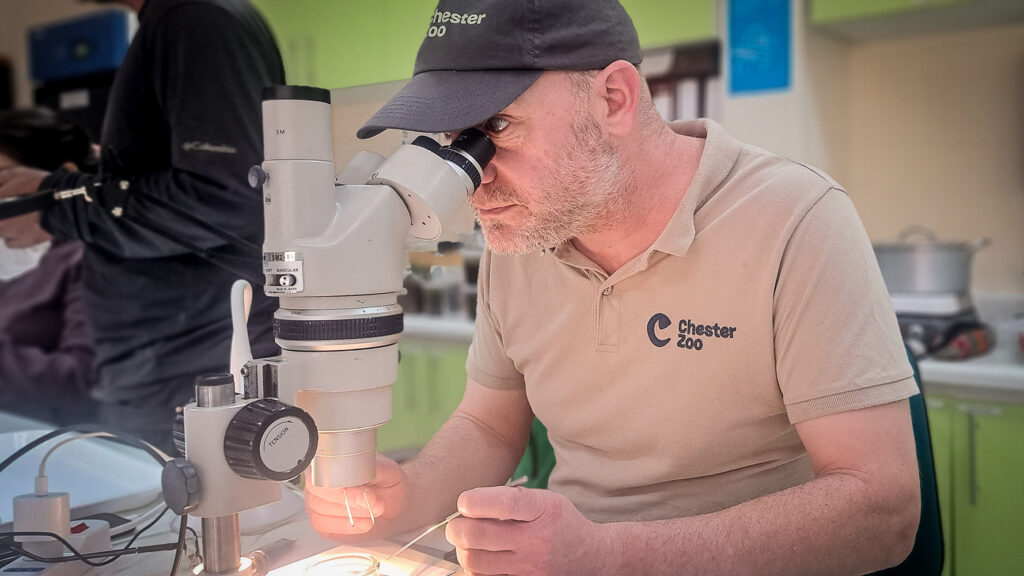
Richard Hewitt said:
“I feel it was important for me to see for myself the cacti habitats in the Atacama Desert and the challenges they face to survive.
“Having the opportunity to collect seeds of Copiapoa with other plant conservations was fantastic, as is knowing that the seeds we collected are now secured at INIA Intihuasi Seed Bank.”
READ MORE: Michael Head & The Red Elastic Band Announced For Special One-Off Museum Gig