

The preferred location for the world’s largest tidal power scheme has been revealed, with a 1.5-mile stretch of the River Mersey between Bromborough and Otterspool identified as the proposed development zone.
The Mersey Tidal Power Project could generate enough clean electricity to transform the Liverpool City Region’s energy future, while creating thousands of jobs and helping protect communities from rising sea levels.
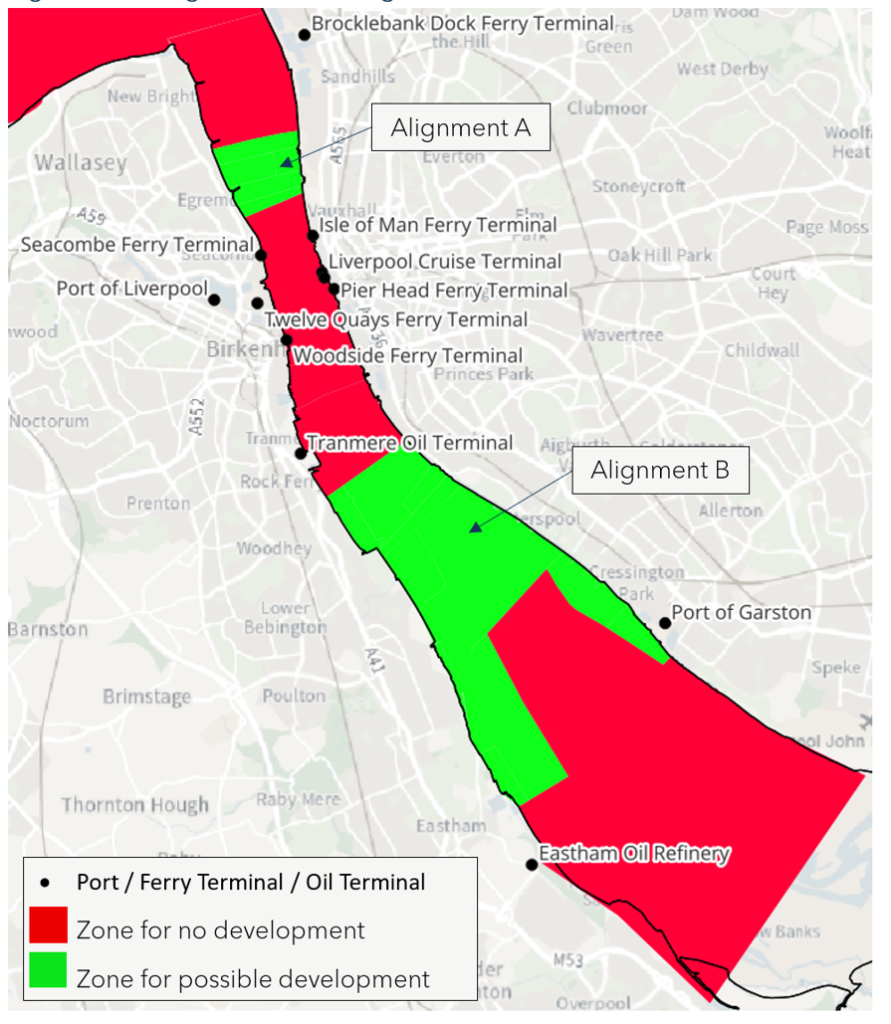
Liverpool City Region Combined Authority will be asked to approve the preferred alignment corridor at its meeting on Friday 6 November 2026, marking a major milestone for the ambitious renewable energy scheme.
The proposed corridor covers both the Liverpool and Wirral banks of the River Mersey and was selected following detailed technical assessments and engagement with key stakeholders.
If approved, the decision will allow the project to progress to further engineering, environmental and commercial development work ahead of a future Development Consent Order (DCO) application.
Further studies will also examine how the proposed barrage could be aligned with existing navigation channels, alongside options for incorporating locks to accommodate shipping.
No construction work will begin until the necessary development consent has been granted and a Final Investment Decision has been made.
Steve Rotheram Hails Major Step Forward for Mersey Tidal Power Project
Mayor of the Liverpool City Region, Steve Rotheram, described the announcement as a significant moment in plans to harness the River Mersey’s enormous renewable energy potential.
Mayor Steve Rotheram said:
“For as long as I can remember, people have talked about harnessing the power of the River Mersey. Identifying where the barrage could be built is a major step forward for a project that has the potential to be genuinely transformational – not just for our region, but for the country.
“At a time when events around the world can send energy prices soaring, we need to make better use of the resources we have on our own doorstep. We should be generating more of our own energy, strengthening our energy security and creating good jobs here at home.
“The Mersey has one of the biggest tidal ranges in the country and we have the industrial expertise and the ambition to help do something genuinely world-leading. And with the potential to protect homes and businesses from rising sea levels too, this could be an investment in our region’s future that our children, grandchildren and generations beyond them could still be benefiting from a century from now.”
World’s Largest Tidal Power Scheme Could Generate 1 Gigawatt of Electricity
The Mersey Tidal Power Project is planned to become the largest tidal range power plant in the world, with the potential to generate up to 1 gigawatt of renewable electricity.
Designed to operate for approximately 120 years, the scheme would use the natural movement of the River Mersey’s tides to generate power.
The Mersey has a tidal range of up to 10 metres, the second highest in the UK, making it particularly suitable for tidal energy generation.
A barrage would work by using the difference in water levels on either side of the structure to drive turbines and produce electricity.
As well as supporting the region’s transition towards cleaner energy, the project could create thousands of jobs through construction, operation, manufacturing and associated supply chains.
The ambition is to establish the Liverpool City Region as a leading UK centre for tidal energy technology and manufacturing.
Mersey Tidal Barrage Could Also Protect Communities From Flooding
Alongside renewable energy generation, the proposed tidal barrage could provide long-term protection against rising sea levels.
In January 2026, the Combined Authority announced that the project would be developed as a dual-purpose infrastructure scheme following an assessment of updated Environment Agency flood maps.
This means the barrage would be designed to deliver both renewable electricity and flood protection for homes, businesses and critical infrastructure.
With a projected operational lifespan of 120 years, the scheme could help protect the region against sea level rises of between 0.8 metres and 1.2 metres by 2150.
Councillor Angela Ball, Cabinet Member for Energy and Environment, said:
“The Mersey Tidal Power Project is a once-in-a-generation opportunity to deliver clean, affordable energy while protecting our communities and the local environment from the impacts of climate change. It’s an iconic solution that will benefit our region for decades to come.”
Public Consultation Planned for 2027 or 2028
Residents across Liverpool, Wirral and the wider city region will have another opportunity to help shape the plans during a second public engagement exercise, currently being prepared for late 2027 or early 2028.
The first public engagement exercise, held in 2024, attracted more than 3,000 responses.
Of those who responded, 84% supported the project, while 92% backed the need for more renewable energy generation across the Liverpool City Region.
The next engagement phase will give communities an opportunity to consider the developing proposals and provide feedback as the scheme progresses.
How Will the Mersey Tidal Power Project Be Funded?
At the November 6 meeting, the Combined Authority will also be asked to adopt a Regulated Asset Base (RAB) model as its preferred funding approach.
This model is commonly considered for major infrastructure projects, including energy facilities and large transport developments.
Under a RAB approach, developers can begin recovering certain costs from customers during construction rather than waiting until the project becomes operational.
The model aims to reduce financing costs and provide investors with predictable, regulated returns, although it can also mean customers contribute towards a project before it is completed.
The recommendation follows a Finance Model Update examining how the ambitious scheme could be delivered.
When Could Construction Begin on the Mersey Tidal Power Project?
The project is currently in Phase 4 of development, which includes environmental assessments, engineering design and preparations for a Development Consent Order application.
As a Nationally Significant Infrastructure Project under the Planning Act 2008, the scheme will require formal development consent before construction can begin.
The Final Investment Decision is currently expected in 2030, with the Combined Authority continuing discussions with government and partners to accelerate progress where possible.
While a construction start date has not yet been confirmed, identifying the preferred development corridor between Bromborough and Otterspool represents a significant step towards making the long-discussed Mersey tidal barrage a reality.
If delivered, the project could become one of the Liverpool City Region’s most important infrastructure investments, combining renewable energy generation, employment opportunities and long-term protection against climate change.